
Commercial interior photography is often misunderstood as simply documenting a completed space. In reality, the photographer becomes the final visual interpreter of months of architectural planning, material selection, lighting design, and spatial composition.
Every angle, every reflection, every vertical line, and every lighting decision influences how a completed project will be perceived by future clients, investors, and stakeholders.
That philosophy formed the foundation of my collaboration with Heehoon Design Global (HDG) for the Kia Showroom, Kolkata.
Rather than beginning with discussions about equipment, pricing, or delivery timelines, the project started with something far more meaningful—a detailed technical conversation about architecture, photography, and visual communication.
It was a conversation that ultimately shaped the entire project.
Understanding the Design Before Touching the Camera
Before any project approval, HDG wanted to understand not only my portfolio but also my approach to architectural and interior photography.
The discussion was led by Mr. Kim, who explored how I analyse spaces before deciding where to position a camera.
Instead of asking which camera I use or how many photographs I would deliver, the conversation focused on the methodology behind every image.
The interview continued for nearly 90 minutes, covering subjects that every commercial interior photographer should understand before stepping into a completed architectural space.
Among the questions discussed were:
- What distinguishes interior photography from architectural photography?
- When should external lighting be introduced inside a commercial environment?
- Is natural light always sufficient?
- How do you preserve accurate material colours while balancing multiple light sources?
- How do you ensure perspective remains architecturally correct?
- How can photographs communicate the original design intent instead of simply recording the finished project?
These were not casual questions.
They reflected HDG's commitment to ensuring that the photographer understood the design process as deeply as the designers themselves.
More Than Photography—Understanding Architectural Intent
One topic that occupied a significant part of our discussion was the difference between interior photography and architectural photography.
Although these terms are frequently used interchangeably, they serve different purposes.
Interior photography primarily focuses on the atmosphere, furniture, textures, lighting, materials, and the human experience within a space.
Architectural photography, on the other hand, places greater emphasis on structural geometry, proportions, perspective accuracy, spatial relationships, and the architect's original vision.
A successful commercial project often requires both approaches to coexist.
For a retail environment such as a Kia showroom, the photographs must communicate brand identity, customer experience, circulation, material quality, and architectural precision simultaneously.
That balance cannot be achieved by relying solely on camera equipment.
It requires understanding why a space was designed in a particular way before deciding how it should be photographed.
This philosophy resonated throughout the discussion.
The Role of Artificial Lighting in Commercial Interior Photography
Another important topic centred on lighting.
Many people assume that photographing interiors simply involves waiting for natural daylight.
Commercial photography rarely works that way.
Modern retail environments combine daylight with decorative fixtures, ceiling lights, display lighting, illuminated branding elements, reflective surfaces, and varying colour temperatures—all within the same frame.
The challenge is not merely increasing brightness.
The objective is to preserve realism while ensuring that every material, texture, colour, and architectural detail appears exactly as intended by the designer.
During our discussion, we explored how external lighting can be introduced selectively to complement existing ambient light without making the final image appear artificially lit.
Lighting, when used correctly, should remain invisible.
Its purpose is to enhance the architecture—not to draw attention to itself.
This philosophy would later become one of the guiding principles during the Kia showroom shoot.
A Portfolio Reviewed Through the Eyes of Designers
Following the technical discussion, HDG reviewed my commercial interior photography portfolio during an online meeting.
Rather than looking only at finished images, the conversation focused on how each photograph represented design intent.
Perspective control.
Lighting consistency.
Material accuracy.
Clean verticals.
Balanced composition.
These were the qualities being evaluated.
The discussion reinforced a principle I have followed throughout my career:
Great architectural photography is not measured by how impressive the camera appears, but by how accurately the final image represents the architect's vision.
Shortly after the review, the project received approval.
The next stage would take us from conversation to collaboration—inside the Kia showroom itself.
Interview Highlights
Questions discussed before project approval
- What differentiates interior photography from architectural photography?
- When should artificial lighting be used inside commercial interiors?
- How do you maintain perspective accuracy?
- How can photographs communicate architectural intent rather than simply document a space?
- How do lighting and composition influence the perception of commercial interiors?
Duration: Approximately 90 minutes
From Digital Render to Real Architecture
Every successful commercial interior project begins long before the first visitor walks through the door.
By the time photography starts, architects, designers, engineers, contractors, lighting consultants and project managers have already invested months of planning into transforming a concept into a finished environment.
The photographer becomes the final person responsible for communicating all of that work through a series of carefully composed images.
That responsibility became very real on the day we arrived to photograph the Kia showroom in Kolkata.
Unlike many commercial shoots where photographers work independently after receiving a brief, this project was built around collaboration.
Every important decision would be guided by the original design vision created by HDG.
A Project Coordinated with Precision
From the very beginning, the communication process remained organised and efficient.
The project coordination was managed by Vrinda, ensuring that every stage—from scheduling and technical discussions to the final shoot—moved smoothly between the design team and the photography team.
Clear communication may not appear in the final photographs, but it often determines whether a commercial shoot succeeds.
When architects, designers and photographers work from the same objective, the result is not simply better photography—it is a more accurate visual representation of the completed project.
That shared understanding became one of the strengths of this assignment.
Designing the Shoot Before Taking the First Photograph
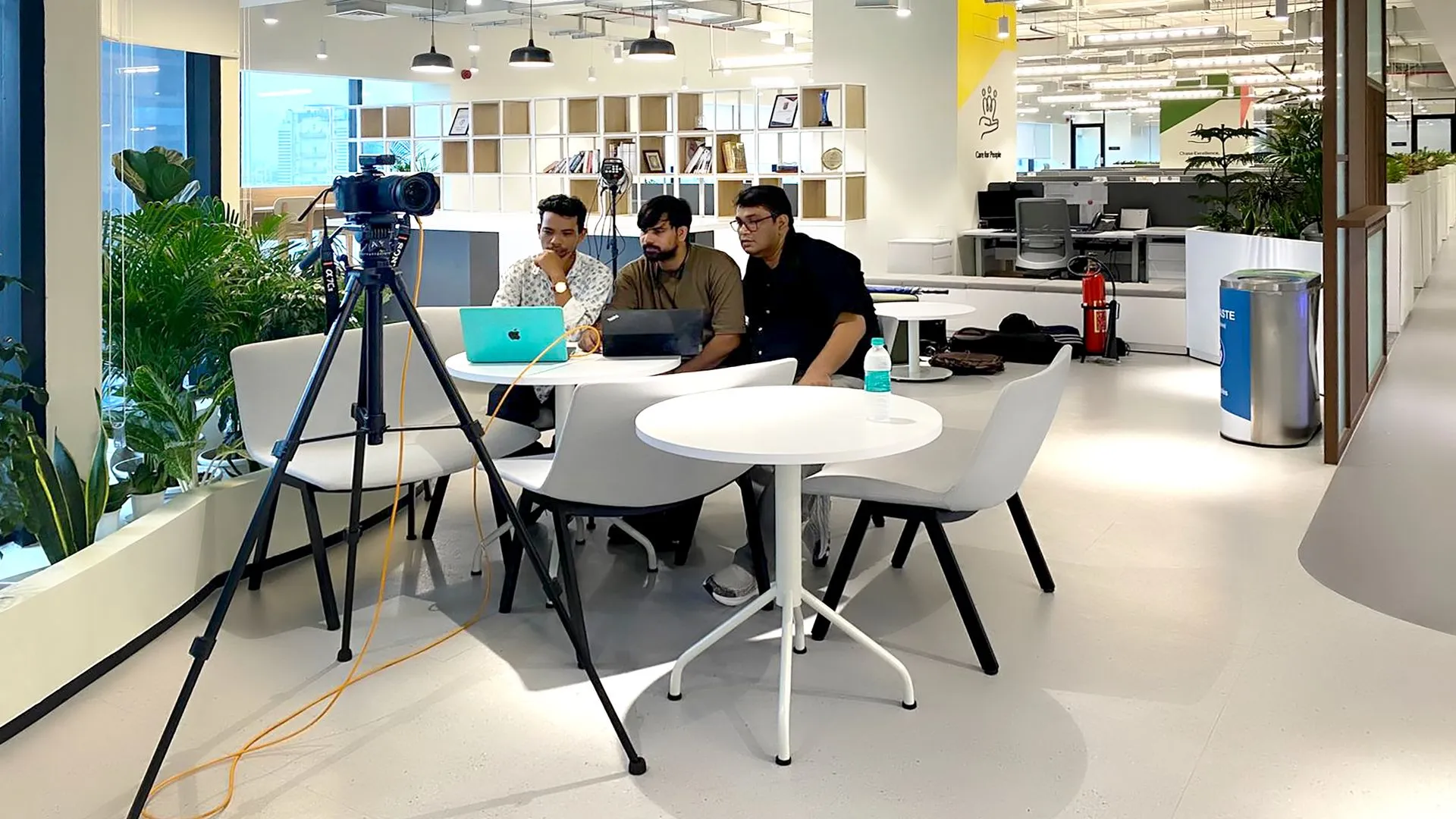
One of the most valuable aspects of this project was the way HDG approached photography.
Instead of simply requesting images of the completed showroom, the team shared their approved 3D design visualisations before the shoot.
These renderings were not treated as references alone.
They became the visual benchmark for the entire photography process.
Every composition, every camera position and every perspective was planned with the intention of remaining faithful to the original architectural presentation.
This changed the role of photography.
The objective was no longer to document a finished interior.
The objective was to translate the designer's original visual language into real-world photographs.
That distinction shaped every decision made throughout the day.
Every Frame Began with a Conversation
Before positioning the tripod, we spent time reviewing the approved design references together.
During these discussions, we compared viewpoints, analysed spatial relationships and identified the camera positions that would best represent the completed architecture.
These conversations involved not only technical photography but also design interpretation.
Questions such as these guided the process:
- Which viewpoint best communicates the customer journey?
- How should the vehicle and architecture balance within the composition?
- Which elements define the identity of the showroom?
- Which vertical lines become the visual anchors of the image?
- How can unnecessary visual distractions be eliminated without compromising authenticity?
Rather than photographing quickly and correcting later, every significant frame was planned before the shutter was released.
That collaborative approach helped maintain consistency throughout the project.
When Architecture Determines the Camera Position
Many people believe photographers choose camera positions based purely on aesthetics.
Commercial interior photography works differently.
The architecture itself determines where the camera should stand.
Ceiling geometry.
Lighting fixtures.
Display zones.
Vehicle placement.
Circulation paths.
Brand graphics.
Material finishes.
All of these elements influence perspective.
Moving the camera only a few centimetres can alter how the entire showroom is perceived.
Throughout the shoot, each composition was refined until the architectural balance closely matched the approved visual concept.
The goal was not dramatic photography.
The goal was accurate architectural communication.
Photographing Reality Without Losing the Design Vision
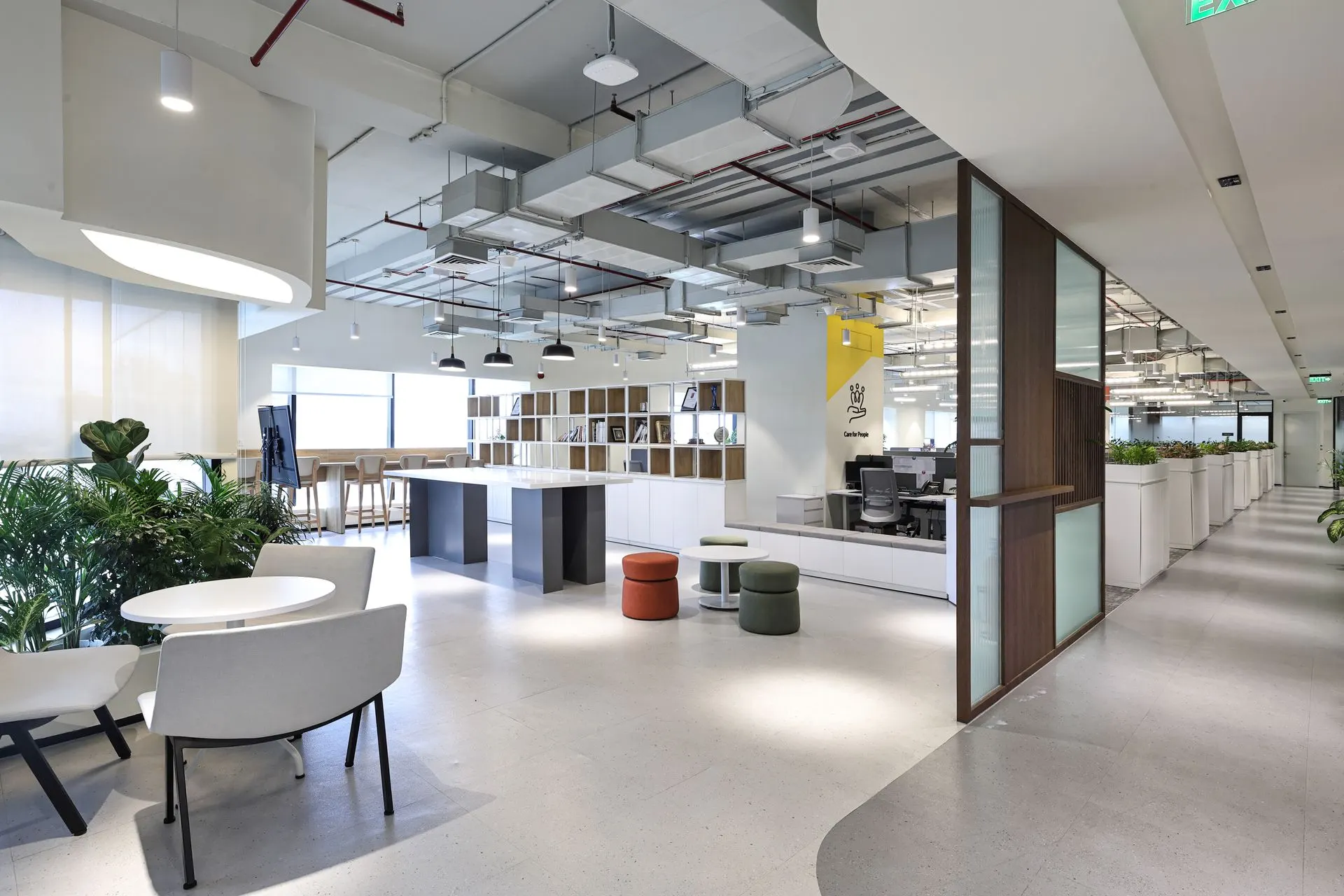
One of the greatest challenges in architectural photography is that reality rarely behaves like a computer-generated rendering.
Natural daylight changes continuously.
Reflections move.
Glass surfaces introduce unwanted highlights.
Different materials respond differently to light.
Vehicles, polished floors and illuminated branding elements all compete for visual attention.
The responsibility of the photographer is not to recreate a rendering artificially.
Instead, it is to preserve the same design intention while respecting the authenticity of the completed environment.
Every adjustment made during the Kia showroom shoot was guided by that principle.
Lighting was controlled where necessary.
Perspective remained consistent.
Composition stayed disciplined.
Nothing was added simply to make the photograph appear dramatic.
Every decision served the architecture.
Collaboration Created Consistency
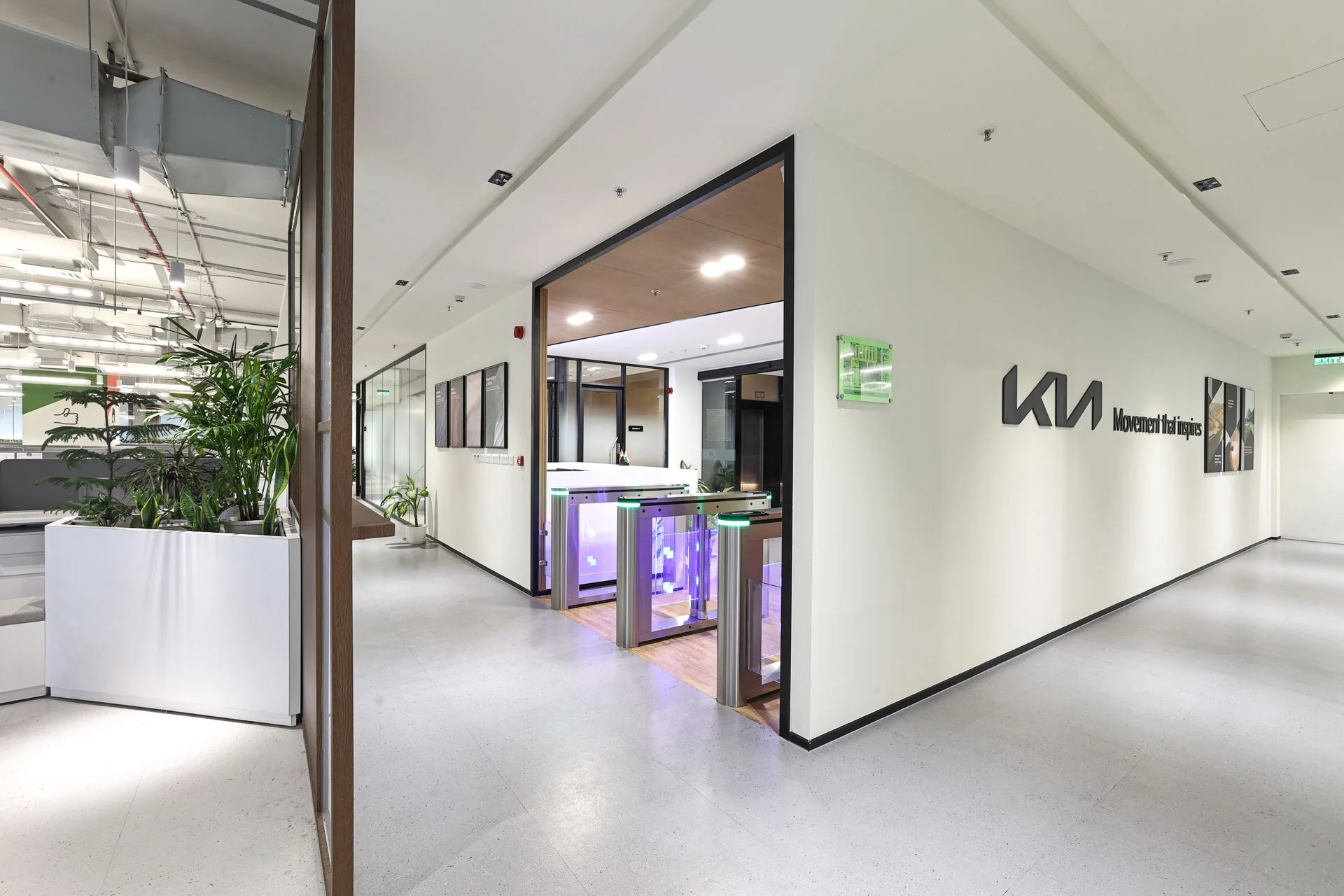
One aspect that stood out throughout the project was the continuous exchange of ideas between the design team and the photography team.
Rather than treating photography as the final step after construction, it became an extension of the design process itself.
Feedback was immediate.
Compositions were refined together.
Details were verified before moving to the next viewpoint.
This collaborative workflow ensured that every final photograph represented not only the physical space but also the thinking behind its design.
In commercial interior photography, that difference matters.
A photograph should do more than show what was built.
It should communicate why it was designed that way.
By the end of the shoot, the objective had remained unchanged from the very first interview:
to transform HDG's architectural vision into a collection of photographs that represented the project with accuracy, clarity and respect for the original design intent.
Beyond the Final Photograph
When the photography session concluded, the project was no longer simply about producing a collection of completed interior images.
It had become a demonstration of what is possible when architects, designers and photographers work towards the same objective.
Every photograph represented far more than the finished showroom.
Each frame reflected months of design thinking, planning, execution and collaboration.
For me, that remains the true purpose of commercial interior photography.
The camera records the space.
The photographer communicates the vision behind it.
Architecture Is Designed Twice
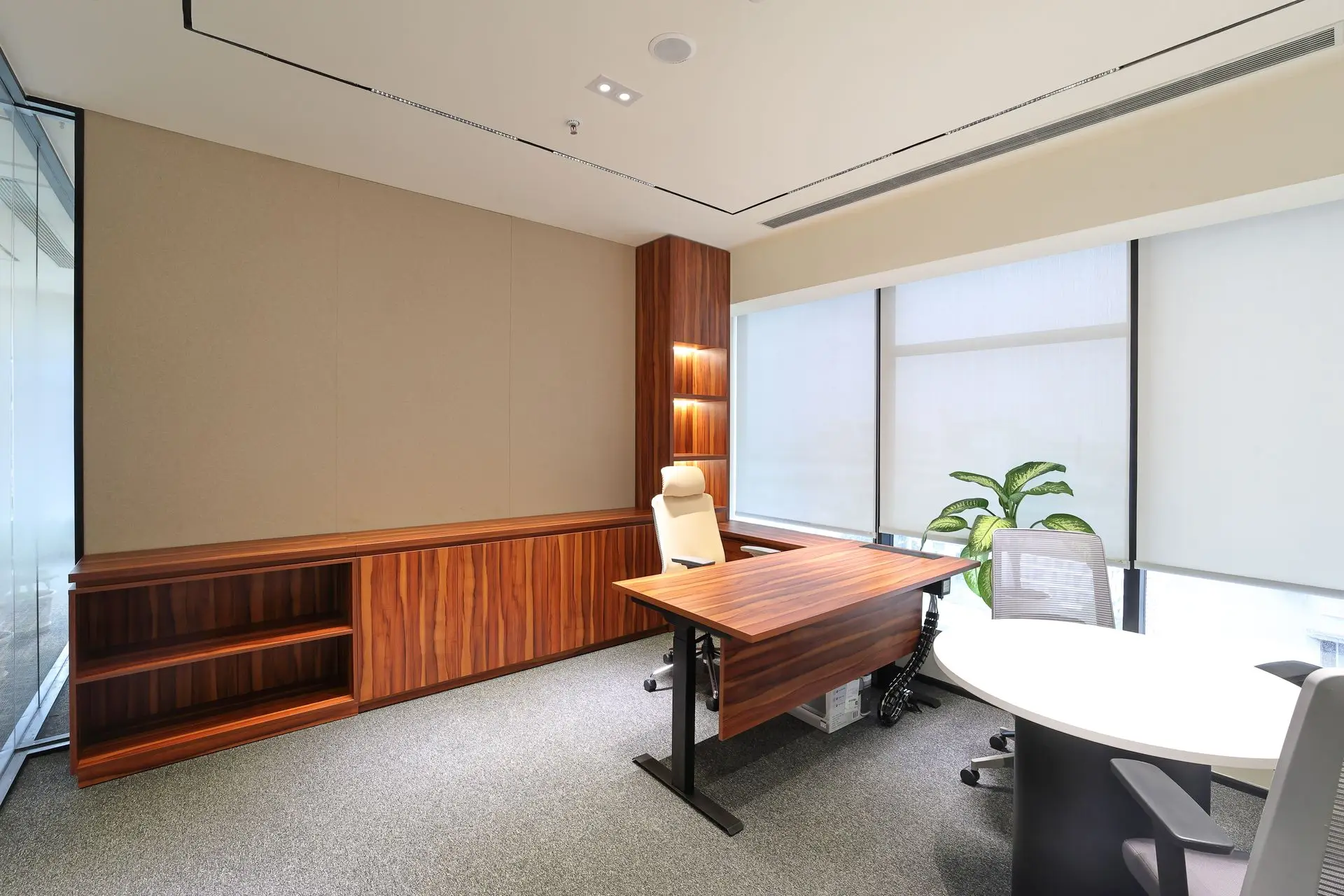
There is a saying within creative industries that every project is designed twice.
The first design exists in drawings, sketches, material selections and three-dimensional visualisations.
The second design exists in the photographs that introduce the completed project to the world.
For many clients, investors and future customers, those photographs become their very first experience of the architecture.
In many cases, they may never visit the physical location.
Their understanding of the space depends entirely on how it has been photographed.
That responsibility makes architectural photography much more than documentation.
It becomes visual communication.
A successful image should preserve the architect's intention, respect the interior designer's decisions and accurately represent the completed environment without unnecessary exaggeration.
That principle guided every photograph created for the Kia showroom.
Lessons from the Project
Every commercial assignment offers valuable technical experience.
Some projects, however, also reinforce broader professional principles.
This collaboration reminded me of several ideas that continue to shape my approach to architectural photography.
Design Comes Before Photography
A strong photograph begins with understanding the project rather than selecting camera settings.
When photographers understand why a space has been designed in a particular way, every creative decision becomes more meaningful.
Collaboration Always Produces Better Results
Architects understand design.
Interior designers understand experience.
Photographers understand visual communication.
When these disciplines work together instead of independently, the final presentation becomes significantly stronger.
The Kia showroom project demonstrated exactly that.
Accuracy Creates Long-Term Value
Wide-angle distortion.
Incorrect verticals.
Artificial colours.
Over-processed lighting.
These may attract attention for a short time, but they rarely represent architecture honestly.
Commercial photography should create confidence rather than visual exaggeration.
Clients deserve images that accurately reflect the quality of the completed project.
Photography Is Part of Brand Communication
For commercial spaces, photography is often the first interaction between a business and its audience.
Whether viewed on a website, in a design presentation, through social media or within a project portfolio, the photographs become part of the brand itself.
Strong photography therefore supports not only architecture, but also marketing, communication and business development.
A Shared Commitment to Quality
Every successful project is built on trust.
Throughout this collaboration, the shared objective remained consistent from the initial interview to the final photograph.
To communicate the completed Kia showroom with honesty.
To preserve the architectural vision.
To respect the design language created by HDG.
To produce photographs that would remain valuable long after the project itself had been completed.
That shared commitment ultimately became the project's greatest strength.
Project Information
Project: Kia Showroom, Kolkata
Interior Design: Heehoon Design Global (HDG)
Project Coordination: Vrinda
Photography: Ranjan Bhattacharya
Photography Services: Commercial Interior Photography
About Heehoon Design Global (HDG)
Heehoon Design Global (HDG) is an international design consultancy specialising in commercial environments, branded retail spaces and contemporary interior design solutions. By combining functional planning with strong visual identity, HDG creates spaces that support both customer experience and brand communication.
About the Photographer
I am a commercial photographer based in Kolkata, India, with over 24 years of professional experience in interior, architectural, advertising and commercial photography.
My work focuses on translating architectural intent into compelling visual stories that help architects, interior designers, developers and commercial brands showcase their projects with clarity, precision and authenticity.
Every assignment begins with understanding the design vision before I ever set up a camera. My objective is always to create photographs that accurately represent the architect's work while supporting branding, marketing and long-term project documentation.
Looking Ahead
Every completed project tells two stories.
One belongs to the architects and designers who imagined the space.
The other belongs to the photographs that introduce that space to the world.
When those two stories remain true to one another, architecture continues to communicate its purpose long after construction has finished.
The Kia showroom project stands as an example of what thoughtful collaboration can achieve when design and photography work together with a shared vision.
Planning a Commercial Interior or Architectural Project?
If you are an architect, interior designer, developer or commercial brand looking for commercial interior photography that goes beyond documentation, I would be happy to discuss your project.
Every assignment begins the same way—with a conversation to understand your design before the camera is ever unpacked.