I received a call last year from a girl in Kolkata. She had been trying to get into modelling for eight months. Three agencies had already said no.
"Dada, ki problem amar? Face expression-e kono issue ache ki?"
I told her to send me her portfolio before answering that question.
She sent twelve photos. All taken by a friend with a phone. Eight of them were shot on the same afternoon, same outfit, same white wall. Two had a ceiling fan visible in the frame. One had a cat walking through the background.
Her face was absolutely fine. Her model portfolio was not.
She came in for a proper shoot three weeks later. Four months after that, she had her first agency representation and her first paid campaign — a skincare brand running across outdoor hoardings in Bengal. Nothing about her face changed. Everything about how she was presented changed.
That is the whole story of model portfolio photography in India, if I am being honest with you.
Your Portfolio Is Not a Collection of Nice Photos
I have been doing this for over two decades. I have seen every version of this mistake.
A model walks in with a folder — physical or digital — full of beautiful images. Individually, each one is lovely. But together, they say nothing. Same expression in seven frames. Same lighting angle. Same energy. A casting director flips through it in thirty seconds and moves on.
A professional portfolio is not a highlight reel of your best-looking moments. It is a business argument — you saying, without words: I can be directed. I can transform. I can serve your client's brief. If your portfolio cannot make that argument visually, it does not matter how good you look in person.
Bookers don't meet you first. Your photos meet them first.
"Dada, Ki Ki Photo Rakhbo?" — The Essential Shots
This is the most common question I hear before a shoot. And it is exactly the right one to ask.
Here is what I tell every model who sits across from me:
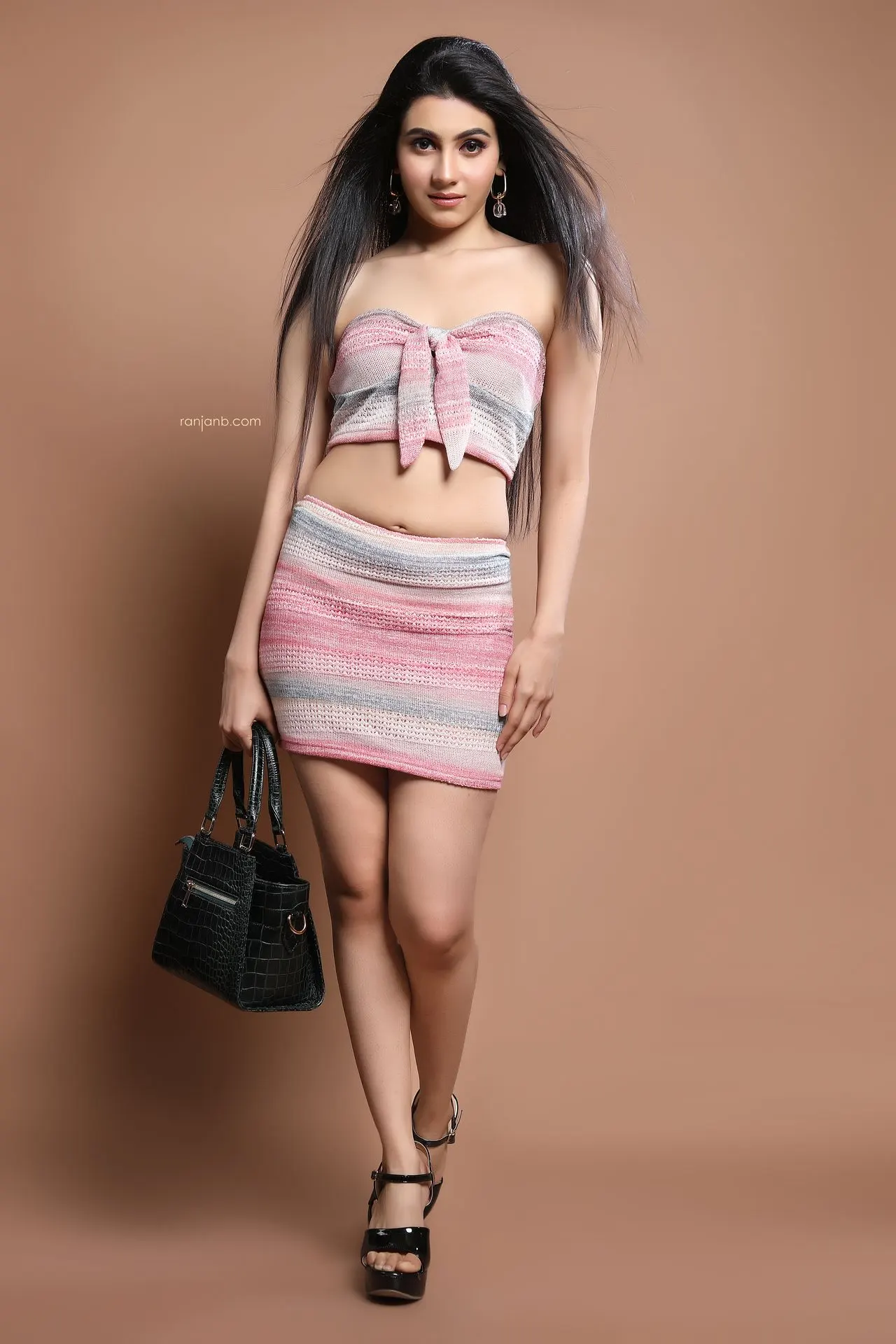
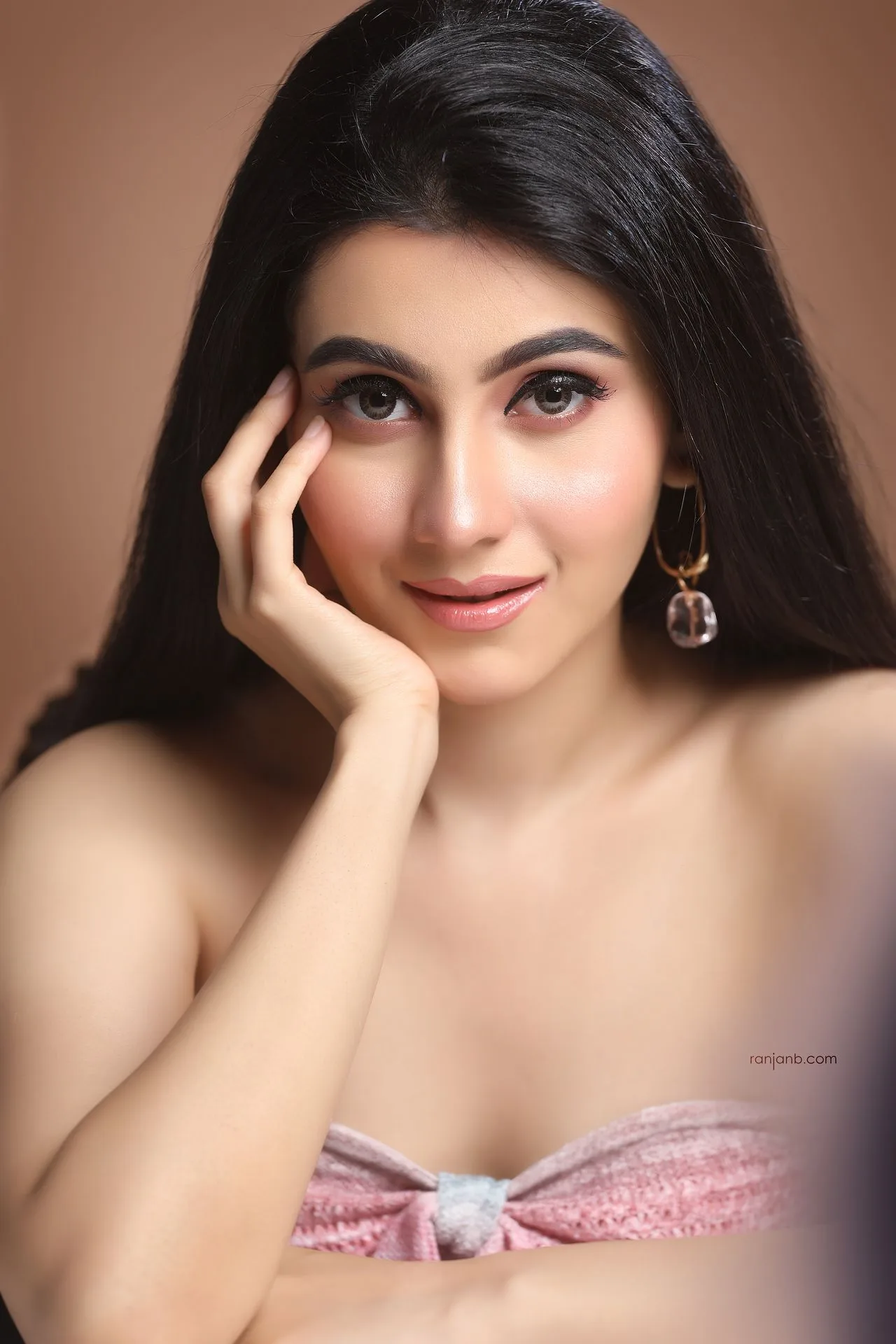
- A clean headshot — minimal styling, natural or controlled light, direct eye contact. Agencies want to see your face, not your makeup. They are going to style you themselves anyway. They need to know what they are starting with.
- A full-length shot — shows proportion, posture, and how your body occupies a frame. Should look natural, not posed within an inch of its life.
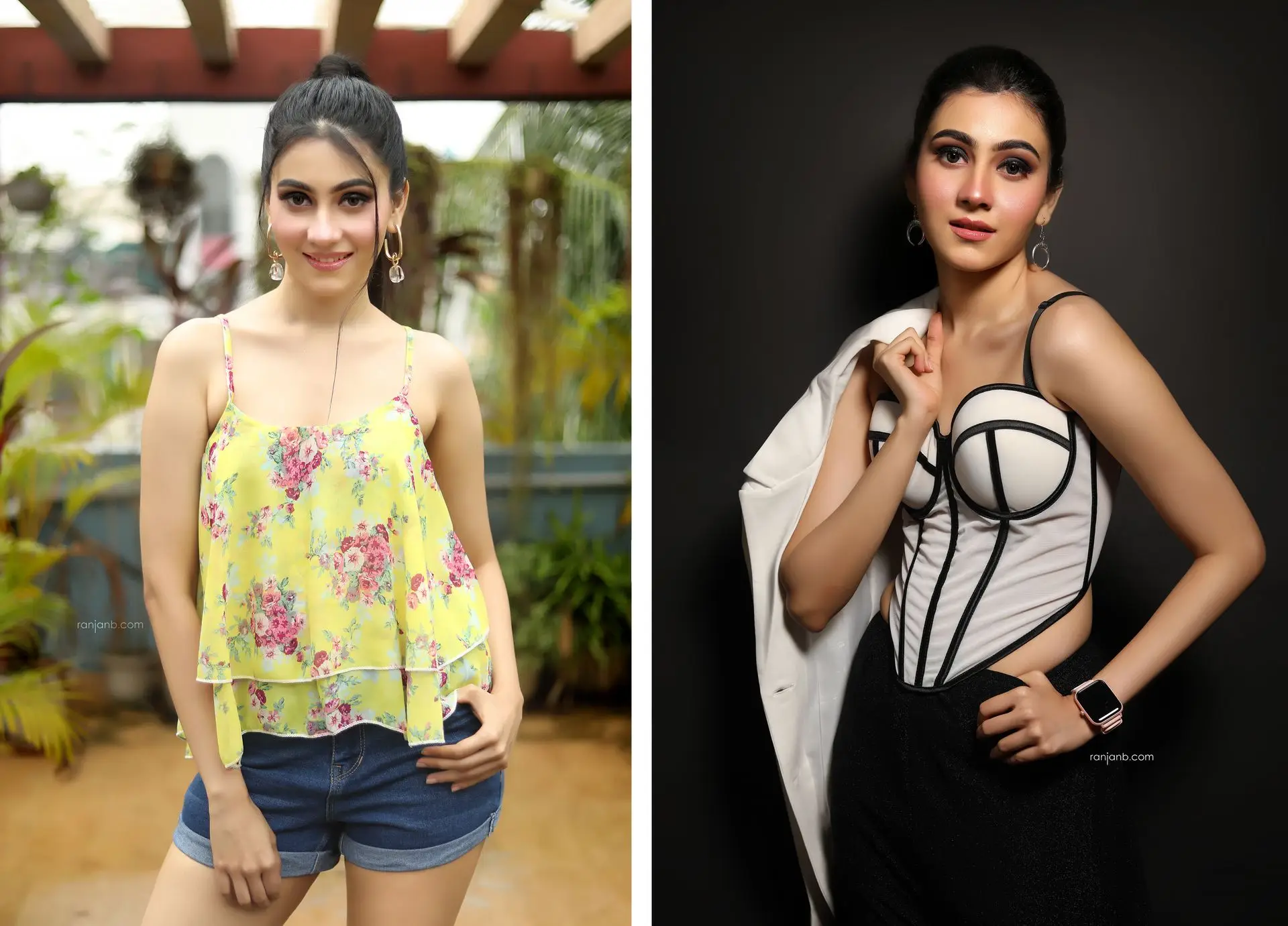
- An editorial or fashion look — stronger mood, more styling, clearer intent. This proves you can hold a concept and execute someone else's creative vision.
- A commercial or lifestyle shot — warm, approachable, human. A surprising number of bookings in India come from FMCG and real estate brands that specifically don't want a high-fashion look. They want a person their customer can relate to.
- A shot that breaks your own pattern — something that shows a different expression, a different energy. Models with a single setting are harder to place.
Ten to fifteen images built around those five directions. Everything else is filler.
Studio vs Outdoor — Ekta Honest Answer
Clients argue about this constantly. Usually, they have decided the answer before asking.
"I want outdoor only — studio feels fake." "Studio only — outdoor photos always look amateurish."
Both are wrong.
A studio shoot gives you controlled, precise light — no variables. For headshots and editorial work, it is very hard to beat. The images look polished and technically clean, which is exactly what a first submission needs.
Outdoor shooting does something different. I shot a model last winter near the Maidan around 5 PM, light dropping fast. For the first fifteen minutes, she was stiff, self-conscious, constantly tracking the camera. Then something shifted. She stopped thinking and started existing in the frame.
Those last forty minutes produced some of the best model portfolio images I have seen from a debut shoot.
Outdoor tests something a studio cannot fully measure — how you perform when conditions are not perfect. Agencies know this. A strong outdoor image carries weight precisely because it is harder to fake.
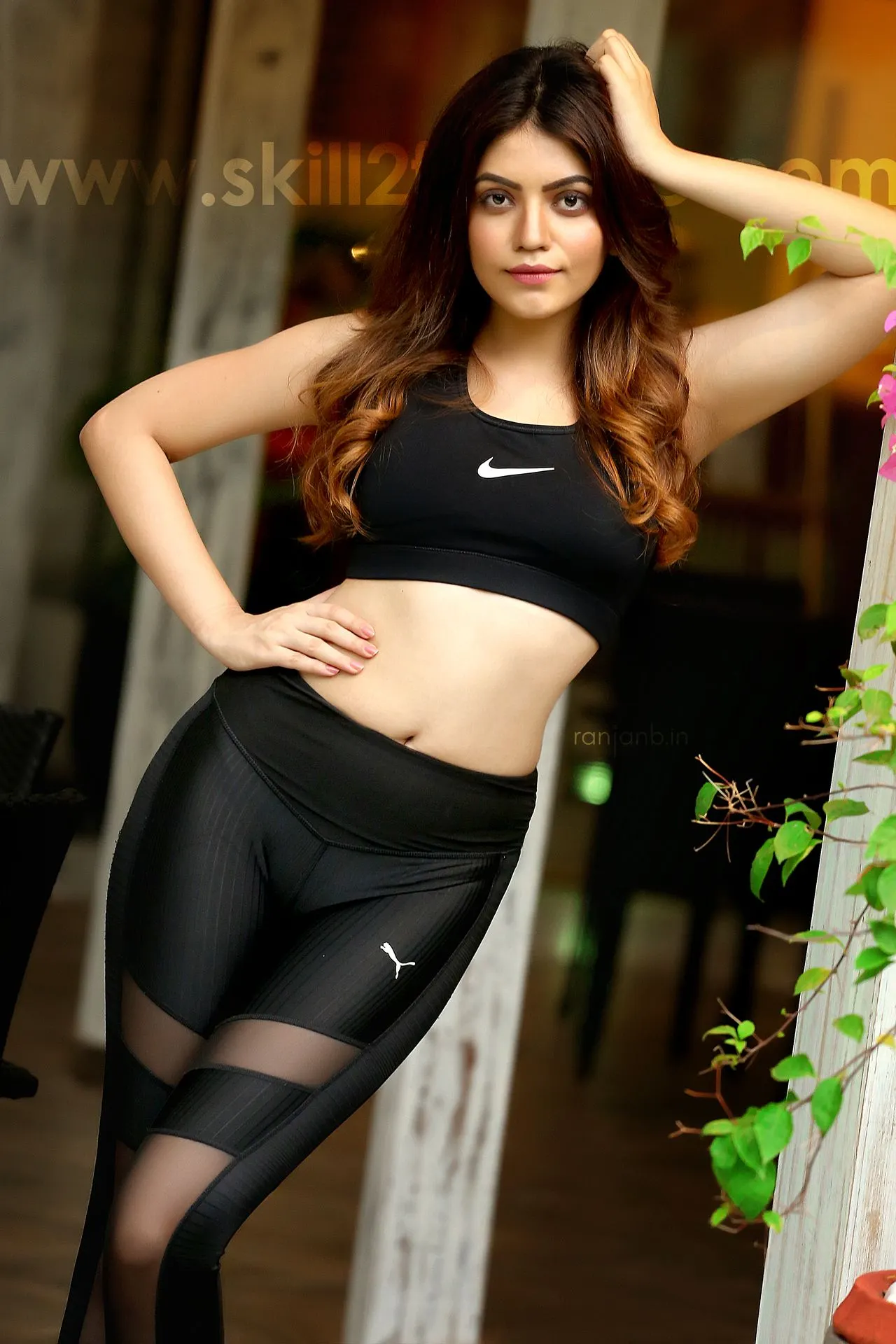
The honest answer: both. Three or four studio images. Three or four outdoor. Each tells the same story from a different angle.
What a Casting Director Is Actually Thinking
I once asked a booker I have known for years — someone who has been placing models for major campaigns in eastern India for a long time — what she looks for in the first five seconds of seeing a portfolio.
She said: "Kono kaaj hobe ki na!"
Will this person be usable? Not beautiful. Not perfect. Usable.
The checklist she runs through in those five seconds:
- Is the photography quality consistent, or do weak images pull the whole submission down?
- Is there any range — even small shifts in expression or energy between shots?
- Does the model look comfortable, or does she look like she is enduring the experience?
- Is the skin real, or has it been retouched into something that no longer matches reality?
That last point matters more than most people realise. Over-retouched images are a red flag — they signal that either the model or the photographer is hiding something. Real skin with real texture in good light always reads better than a digitally smoothed surface. I have turned down requests to over-edit portfolio images more times than I can count. Every single time, the model later thanked me for it.
The Expensive Mistake Nobody Talks About
Here is something I see regularly, and it genuinely bothers me.
A model invests in training, in clothing, in travel to auditions — then tries to save money on the portfolio. The one thing the agency will see before they see any of those other investments.
Someone came to me recently who had spent ₹8,000 on a shoot with a photographer who "does weddings mostly, but also portfolios." The images were not terrible. But they were not industry-ready. The light was borrowed from wedding photography logic. The direction was non-existent. She had essentially paid to stand in front of a camera for two hours with no one steering the ship.
She came back and did it properly. The difference, side by side, was not subtle.
Your portfolio shoots for you when you are not in the room. Give it the tools to do the job.
One Question Before You Book Anything
Ask yourself: Do you know what the photographer you are considering has actually done for other models? Not just pretty images — but models who then went on to get agency representation, land bookings, and build real careers?
Experience in wedding or portrait photography is not the same as experience in model portfolio photography. The direction required is different. The understanding of what a final image needs to do in front of a real booker — that is different, too.
That girl who called me about the cat-in-the-background photos? She still messages sometimes.
Last month, she sent me a photo of herself on a billboard on EM Bypass.
The photos changed. Everything else followed.