When the Shoot Ends, the Real Work Begins
For most photographers, the shoot feels like the hard part.
Lights. Camera. Direction. Energy.
But experienced photographers know the truth.
The real stress begins after the shoot.
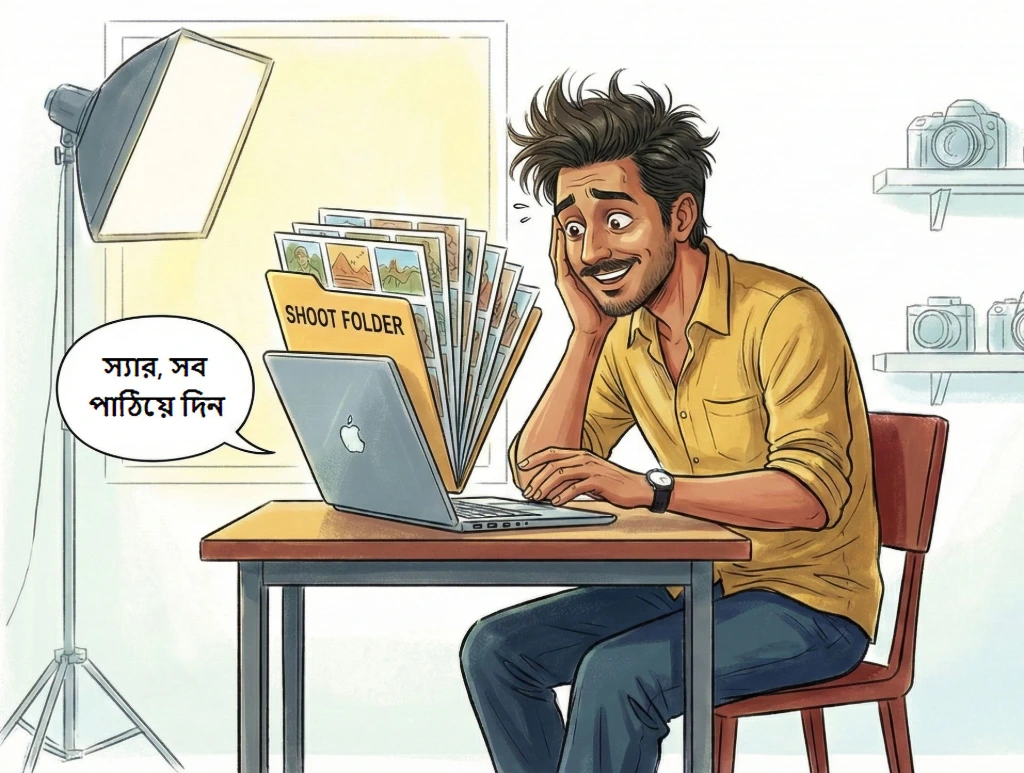
You sit down with your laptop.
You open the folder.
180 photos are staring back at you.
Before you can even start selecting, a message pops up:
Sir, Sob Pathiye Din (The Hidden Cost of “Send Everything” Culture)
It sounds polite.
It sounds harmless.
It sounds reasonable.
And yet, this single sentence has quietly damaged more photography careers than bad lighting ever could.
This article is not about blaming clients.
It’s not even about blaming photographers.
It’s about a culture we all participate in—often without realising the cost.
The Most Innocent Sentence That Starts the Chaos
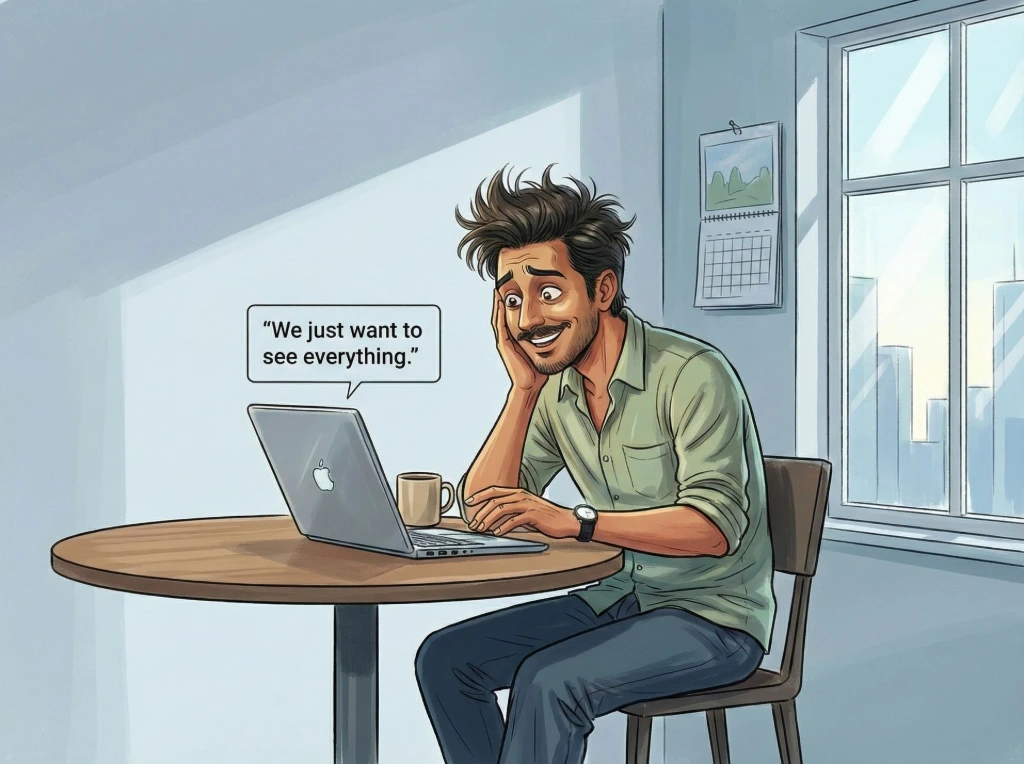
Clients often say:
“We just want to see everything.”
Sometimes they even add a smiley.
From the client’s side, the intention is simple:
They don’t want to miss a good photo
They don’t understand editing workflows
They assume “more transparency = better service”
From the photographer’s side, something else happens internally:
If I don’t send everything, will they think I’m hiding something?
If I delete anything, will they get upset?
Let me just send all and deal with it later.
And that “later” is where the problems start.
Shooting More Is Not the Problem
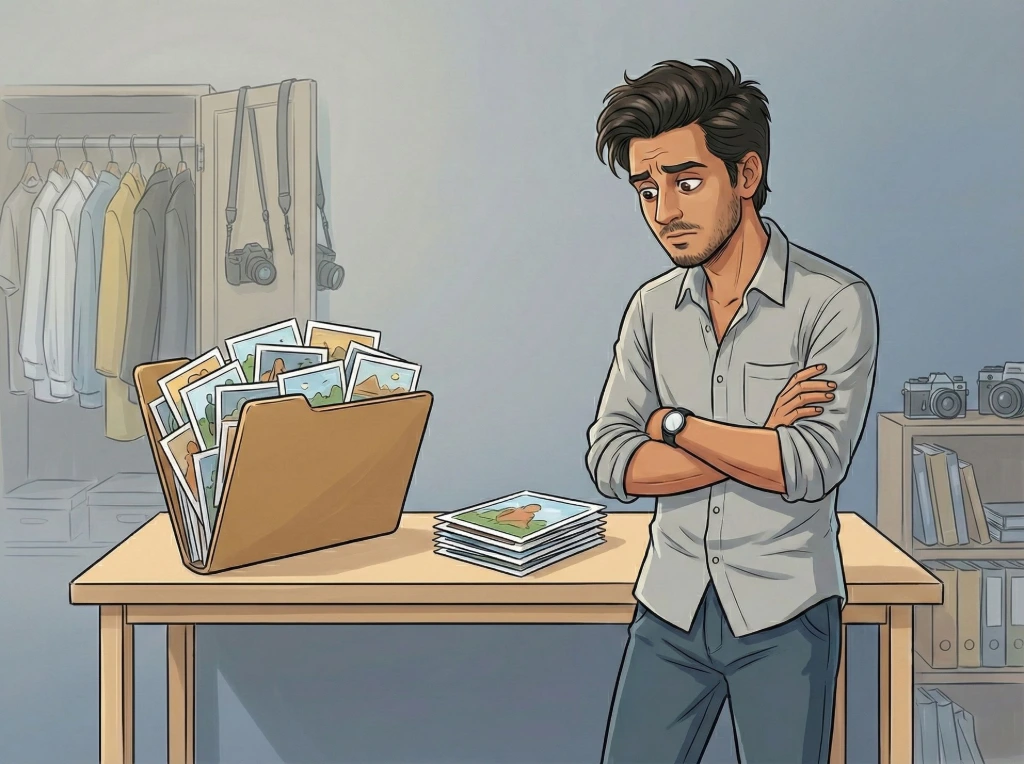
Showing Everything Is
Let’s be honest—shooting more is not a crime.
In fact, shooting more is often responsible:
expressions change
micro-moments happen
small variations matter
The mistake happens when every frame is treated as a deliverable.
When 150 photos are dumped into a single folder:
nothing feels special
nothing feels intentional
everything looks “almost good”
Clients don’t feel empowered by this.
They feel overwhelmed.
And overwhelmed clients don’t make confident decisions.
“Ektu Aar Patla Kore Dao” Is Not About Retouching
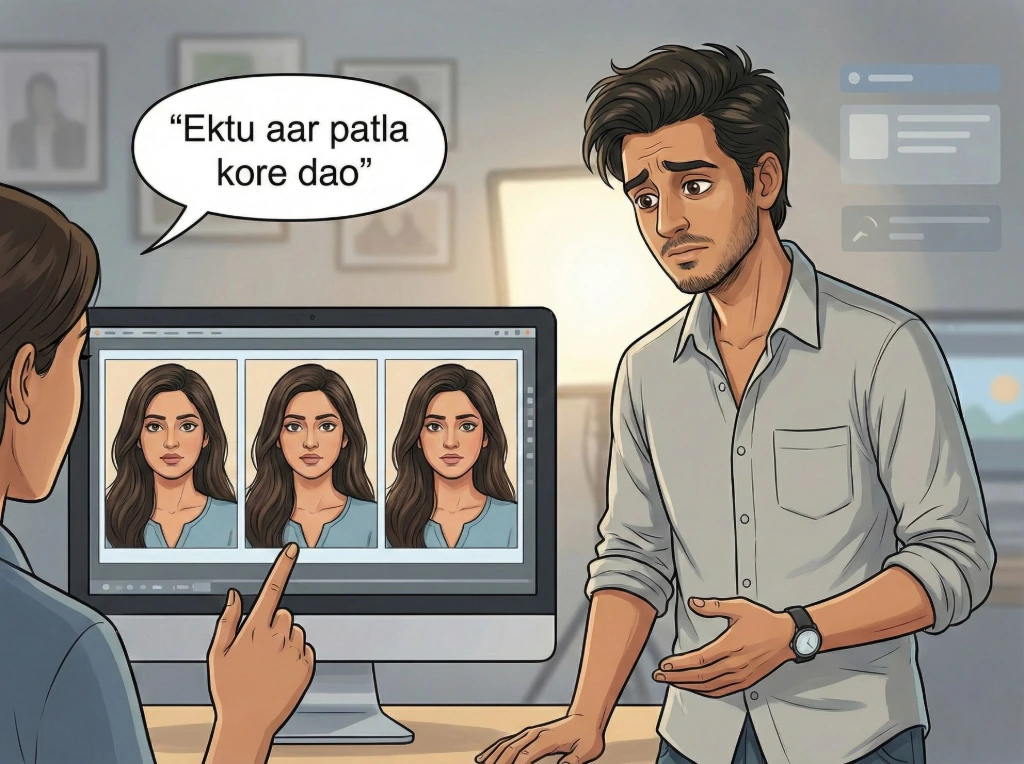
This line deserves special attention.
Because when clients say:
“Ektu aar patla kore dao”
They rarely talk about Photoshop tools.
What they are actually saying is:
I don’t know which version of myself is correct
Different photos make me feel different things
I feel exposed, not guided
Too many images create comparison.
Comparison creates insecurity.
Insecurity creates endless feedback loops.
This is something we often see during corporate headshots and professional portrait shoots, where clear guidance matters more than endless options.
At that point, no amount of retouching will solve the real issue.
The Fear Nobody Admits (But Everyone Feels)
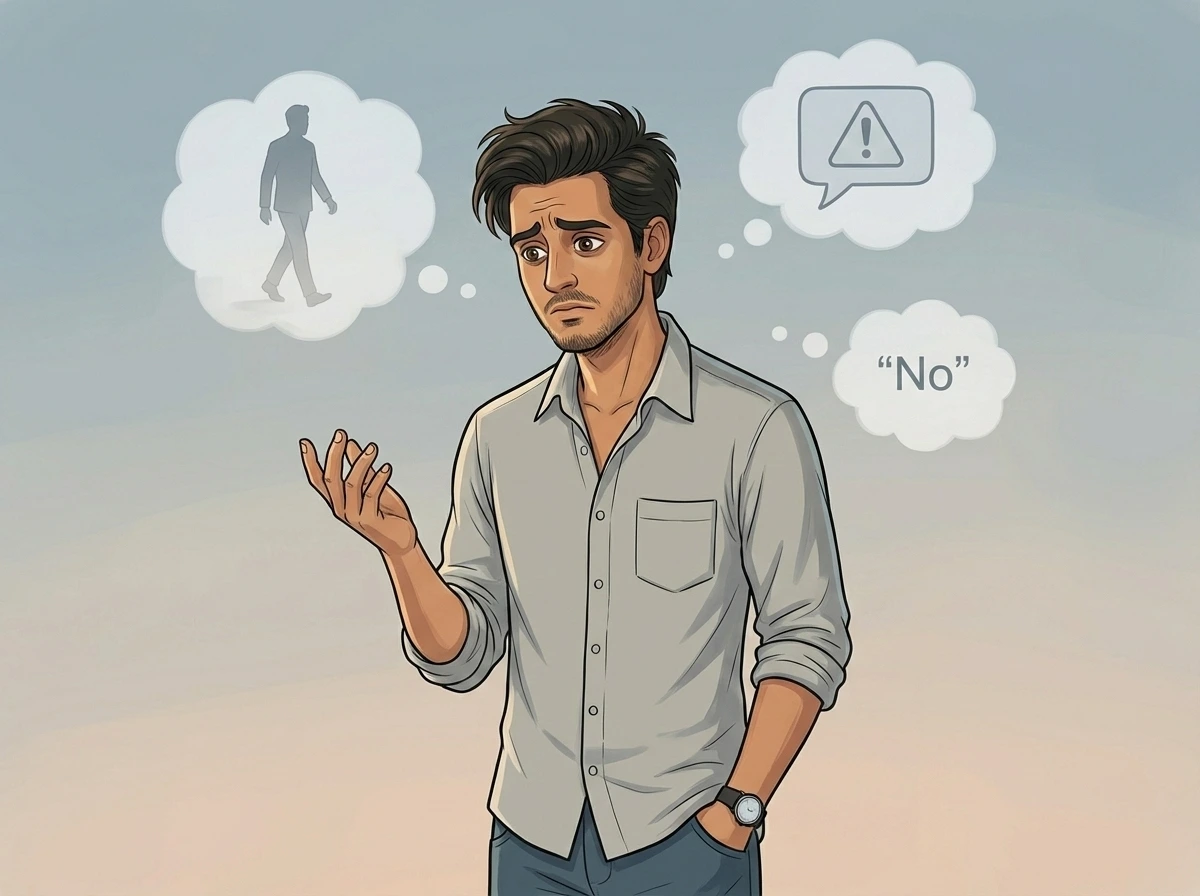
Here’s the uncomfortable part.
Most photographers know what they should do.
They just don’t do it.
Why?
Because of three silent fears.
Fear 1: Losing the Client
What if they don’t book me again?
Fear 2: Sounding Arrogant
What if they think I have an attitude?
Fear 3: Saying “No”
I already said yes once… now it’s awkward.
These fears are not personal weaknesses.
They are industry-wide habits.
And they push photographers into over-delivering without direction.
Why This Is Not a “Kolkata Client” Problem
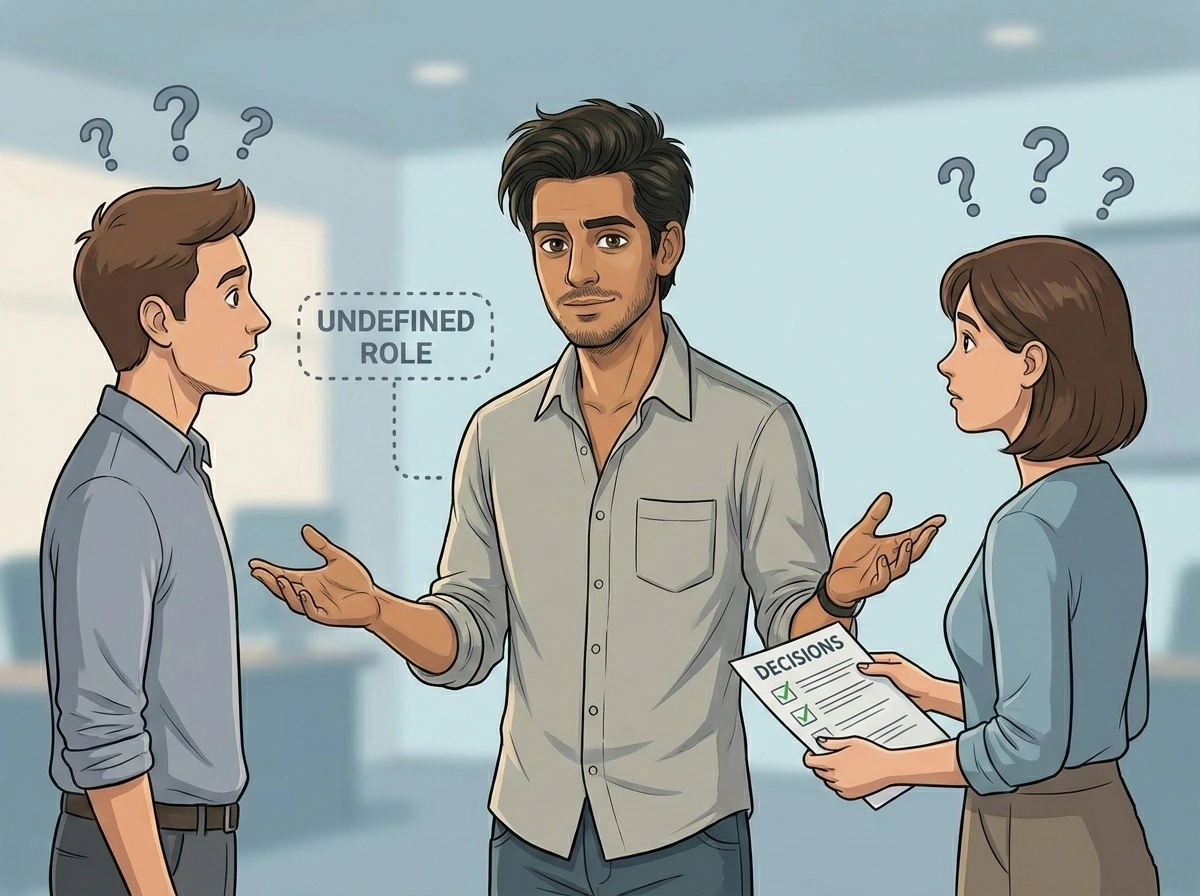
It’s tempting to say:
“Local clients are difficult.”
But that’s not the full truth.
Clients everywhere behave the same way when:
expectations are unclear
roles are undefined
decisions are pushed onto them
Most clients actually want guidance.
They just don’t know how to ask for it.
When photographers avoid making recommendations, clients assume:
the photographer is unsure
everything is negotiable
nothing is final
That’s when respect slowly erodes.
What Professional Image Delivery Actually Looks Like
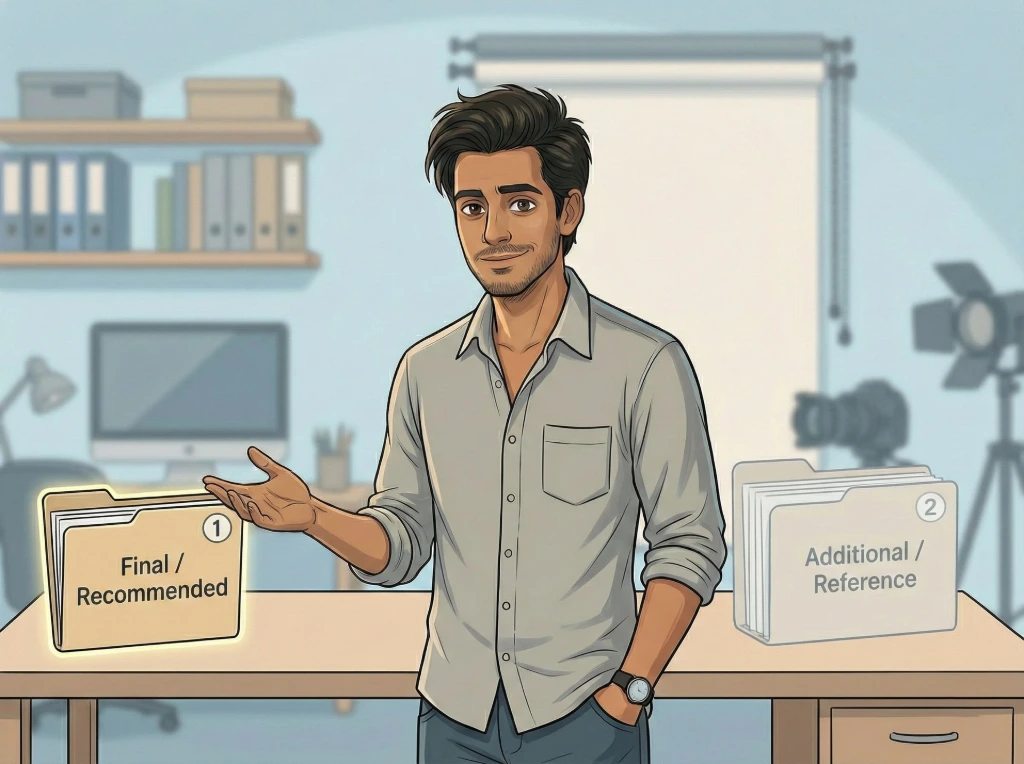
Professional image delivery after a shoot is not about sending more photos—it’s about sending the right ones.
It’s about being structured.
A simple, effective system looks like this:
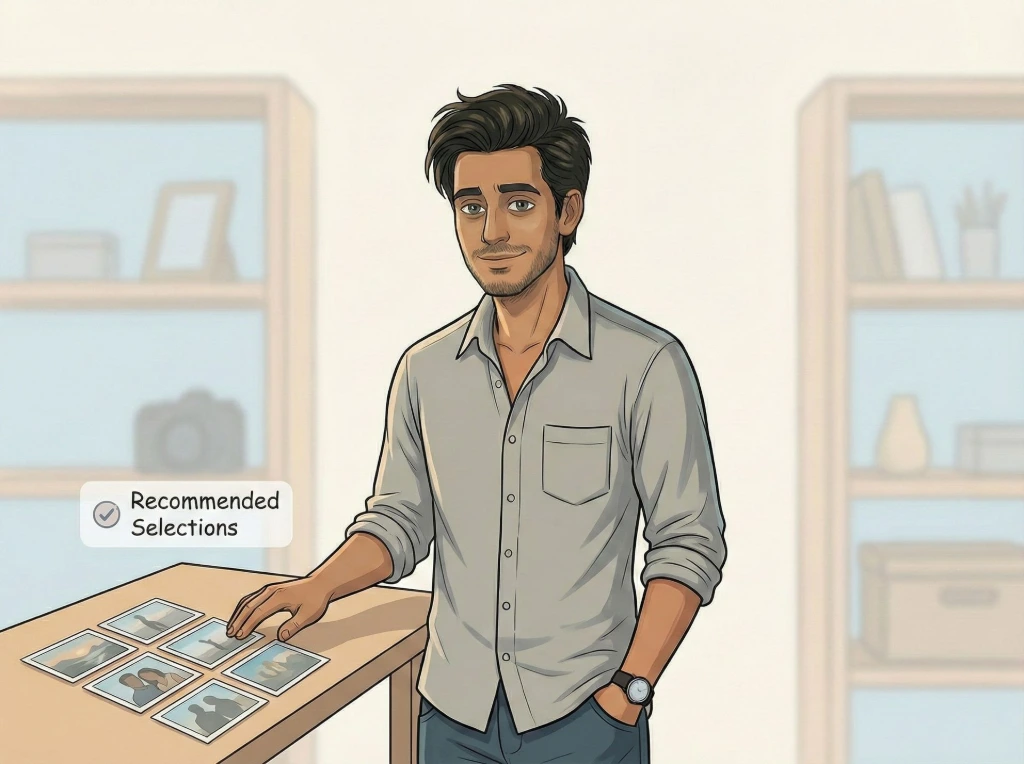
Folder 1: Final / Recommended
Limited number of images
Fully edited
Camera- and production-friendly
Clearly positioned as professional recommendations
Folder 2: Additional / Reference
Remaining images
Basic exposure and color correction
Shared for transparency, not judgment
Nothing is deleted.
Nothing is hidden.
But not everything is treated equally.
This small distinction changes everything.
This structured approach is especially critical in advertising and commercial photography, where image selection, usage clarity, and brand consistency directly affect campaign outcomes.
Why Unlimited Choice Quietly Destroys Value
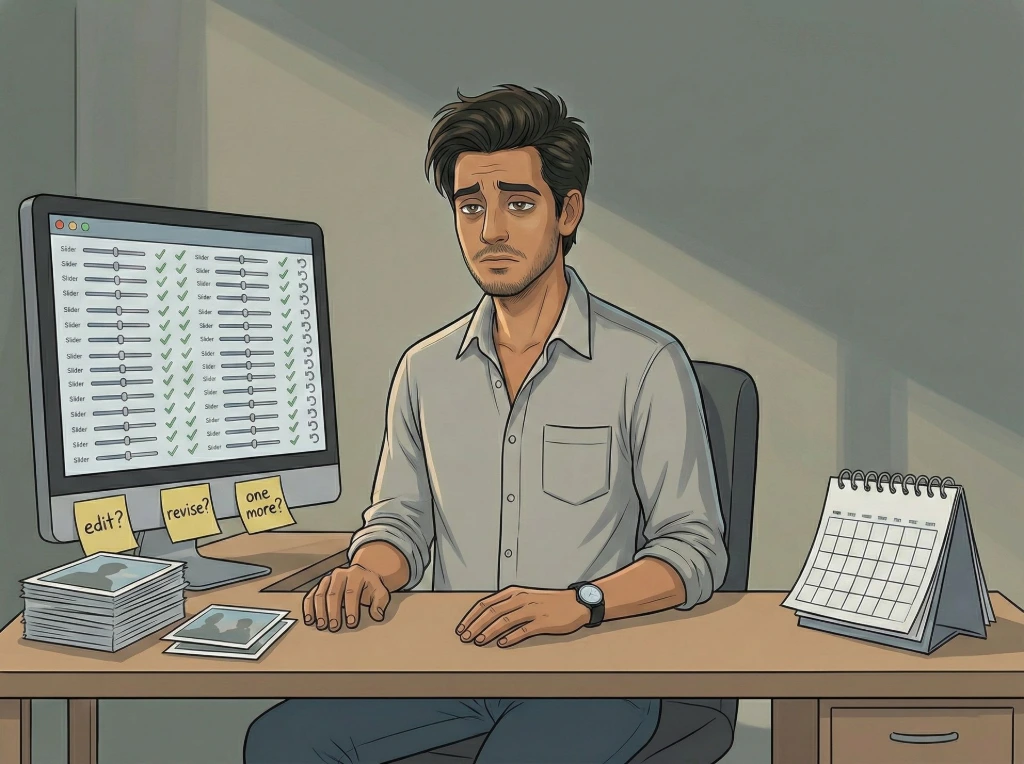
When everything is editable:
nothing feels valuable
When everything is optional:
nothing feels final
Photographers slowly turn into:
operators
editors-for-hire
“can you just fix this one more thing” professionals
Meanwhile, their portfolios lose consistency.
Their authority fades.
Their burnout increases.
And the worst part?
Most of this damage happens silently.
This Is Not About Ego
It’s About Clarity
Clear photographers don’t say:
“This is final.”
They say:
“These are the most usable and camera-friendly selections from the shoot.”
Same decision.
Different tone.
Clarity reduces anxiety.
Clarity builds trust.
Clarity saves time—for everyone.
Why This Culture Needs Rethinking
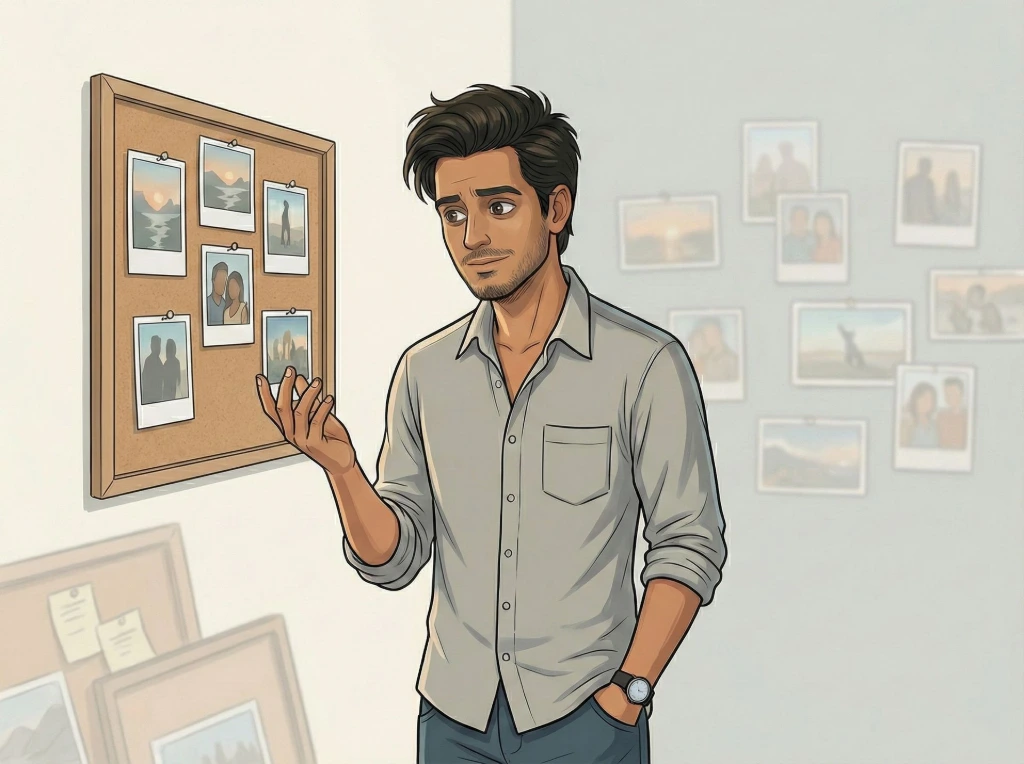
The problem is not clients asking to see everything.
The real cost appears when photographers stop deciding:
what deserves attention
what represents their work
what should be seen first
Because when photographers stop guiding, clients are forced to guess.
And guessing is never good for creativity—or confidence.
What Changes Once the Work Becomes Clear
This article is not a rulebook.
It’s a reminder that most photographers don’t struggle because of talent, gear, or effort.
They struggle when the work loses structure.
When boundaries feel awkward.
When decisions feel heavy.
When clarity is replaced by hesitation.
And the irony is that clarity doesn’t require attitude.
It doesn’t need firmness wrapped in ego.
It doesn’t need confrontation.
It simply needs structure.
Once that structure is in place, clients feel calmer, decisions feel lighter, and the work starts feeling like work again—not damage control.