
Undergarment advertising photoshoots are among the most demanding forms of innerwear advertising photography. Unlike standard fashion or catalogue shoots, commercial innerwear photography requires careful attention to skin tone consistency, body grooming, lighting control, and overall production planning.
When these details are underestimated, brands often run into post-production challenges, compromised visuals, or long-term damage to brand credibility.
Based on real, on-ground experience from undergarment advertising shoots in India, this article looks at how brands, models, photographers, and makeup artists approach these challenges professionally.
Why Undergarment Advertising Requires Specialized Photography
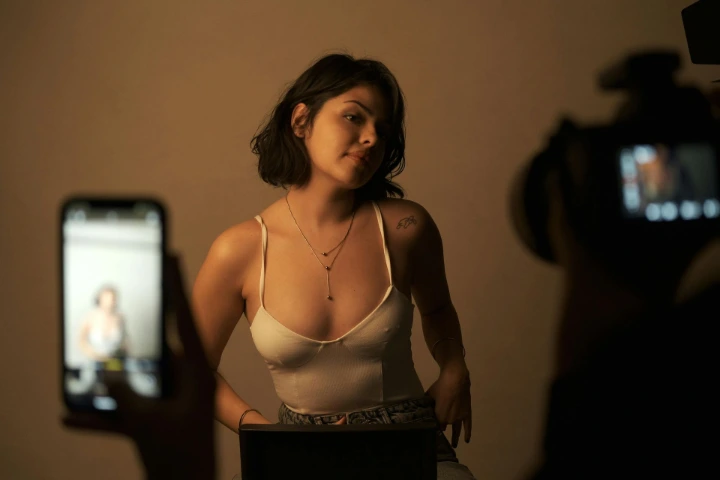
Innerwear campaigns involve:
Close-up compositions
Minimal fabric coverage
High emphasis on skin texture and tone
Consumer scrutiny at a subconscious level
Generic fashion photography approaches often fail here, especially in commercial innerwear photography.
This is why experienced advertising photographers approach innerwear shoots with a completely different production mindset—right from model selection to lighting, grooming, and post-processing.
Many innerwear campaigns don’t fail because of lighting or makeup alone — they fail much earlier, during rushed briefs, weak planning, and last-minute decision-making. This pattern is common across Indian advertising, where campaigns often break down before production even begins, as discussed in why many advertising campaigns fail before production even begins.
How Undergarment Brands Should Select Models for Campaign Shoots
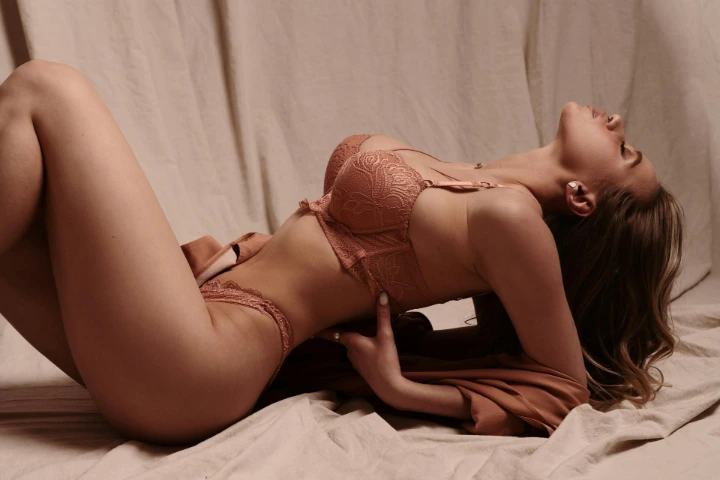
1. Skin Quality Over “Perfect Looks”
Uneven skin tone, pigmentation, or texture variations are normal human characteristics, especially in areas such as:
Underarms
Inner thighs
Hip fold regions
Brands must assess these aspects during casting, not discover them during retouching.
Ignoring this step leads to:
Over-dependence on AI whitening
Artificial-looking visuals
Inconsistent campaign imagery
2. Experience Level Matters
Senior models generally:
Understand commercial grooming expectations
Communicate skin-related concerns clearly
Maintain body grooming consistently
First-time or junior models may not have this awareness.
This is not a flaw—it simply means brands and photographers must guide them proactively.
3. Comfort & Professional Communication
Undergarment shoots demand confidence and comfort.
Brands should ensure:
Clear briefings
Transparent discussions about shoot requirements
Respectful, professional working environments
Discomfort reflects directly in body language and final visuals.
Model Preparation Guidelines for Undergarment Photoshoots
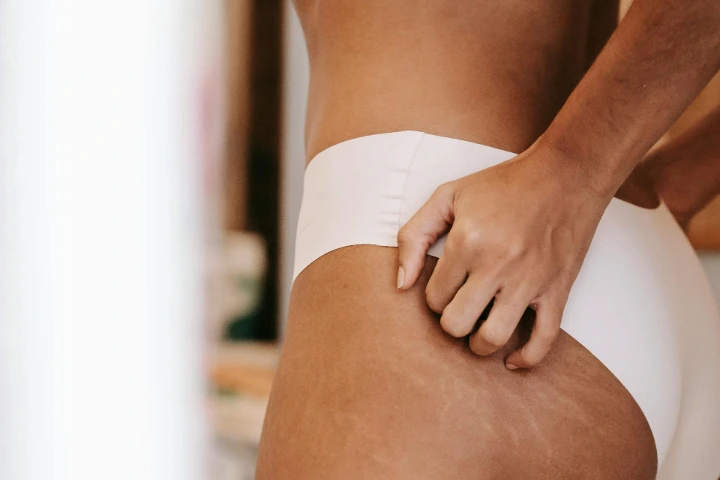
1. Grooming Expectations Must Be Clarified Early
Model grooming is not limited to facial preparation.
Pre-shoot discussions should include:
Body grooming preferences
Skin sensitivity disclosures
Existing marks or pigmentation concerns
This avoids last-minute surprises and awkward on-set decisions.
2. Skin Concerns Are Not “Problems”
Uneven pigmentation is not a defect.
However, it must be:
Acknowledged
Planned for
Addressed with lighting, makeup, or styling—not panic retouching
Professional shoots treat skin variations as production considerations, not mistakes.
Makeup Artist Responsibilities in Innerwear Campaigns
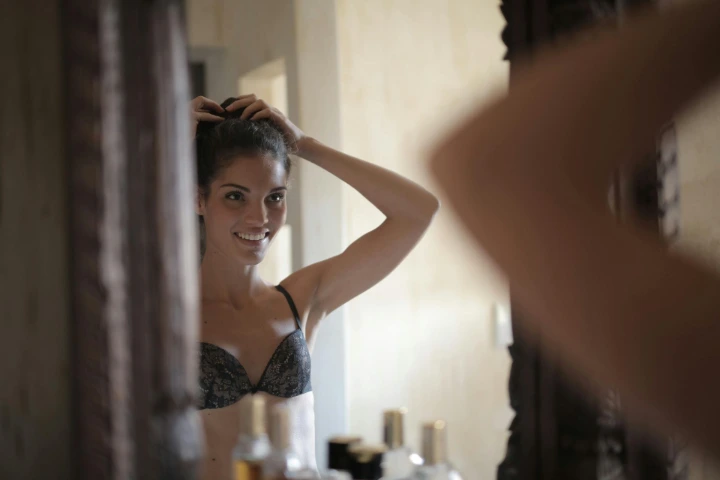
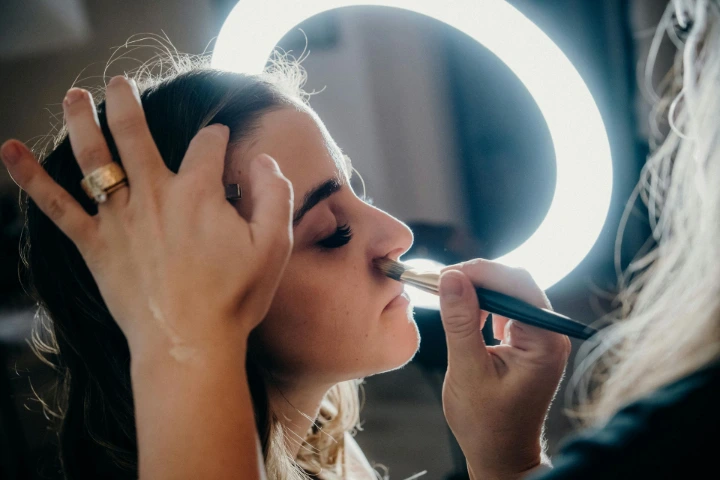
1. Body Makeup ≠ Face Makeup
One of the most common failures in innerwear shoots is treating them like regular fashion assignments.
Makeup artists must prepare for:
Multiple body foundation shades
Corrective bases for different skin zones
Texture-balancing products (not whitening solutions)
A single facial foundation cannot be extended across the body without visual inconsistency.
2. Indian Skin Tones Require Specific Expertise
Indian skin tones vary widely—not just between individuals, but across different parts of the same body.
Lack of experience in intimate apparel makeup often results in:
Patchy appearance
Overcompensation with whitening
Loss of natural skin depth
This is where specialized advertising teams outperform generic fashion crews.
Why Excessive Retouching and AI Whitening Harm Brand Identity
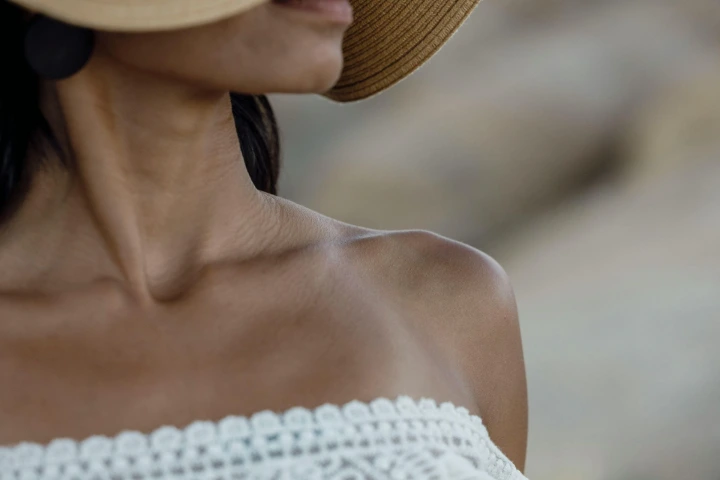
Many large brands resort to:
AI-based whitening of underarm or inner thigh areas
Heavy smoothing and tone correction
While this may “fix” visuals temporarily, it causes long-term problems:
Skin looks artificial and plastic
Consumers subconsciously sense inauthenticity
Campaign consistency suffers across platforms
Several brands realise too late that over-retouching damages trust and visual credibility.
Professional advertising photography focuses on correct capture, not digital repair.
Common Mistakes Brands Make During Undergarment Shoots
Selecting models without assessing skin tone suitability
Assuming makeup artists will “manage everything.”
Treating innerwear shoots like standard fashion catalogues
Over-relying on post-production instead of planning
Hiring photographers without advertising-specific experience
Each of these shortcuts increases cost, delays timelines, and weakens brand perception.
Why Brands Should Work with Specialized Advertising Photographers
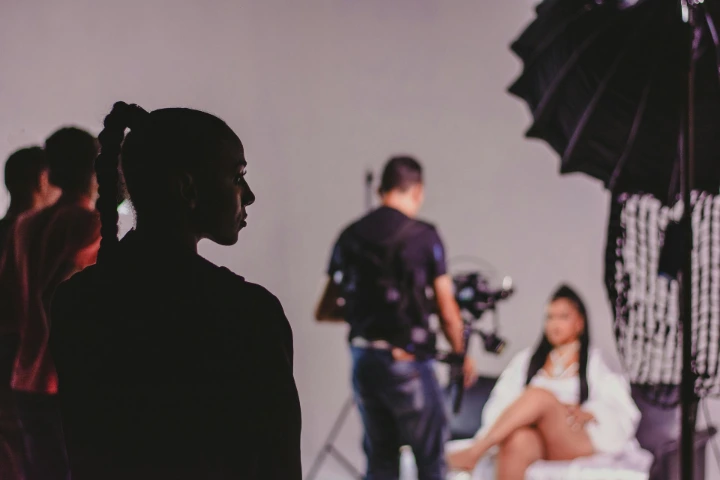
Experienced advertising photographers:
Plan shoots around real human skin, not idealised assumptions
Coordinate closely with makeup artists and stylists
Use lighting that flatters texture without hiding reality
Minimise retouching to protect brand authenticity
This approach ensures campaigns look confident, premium, and believable—qualities that directly impact brand recall and conversion. This is why brands increasingly prefer working with experienced advertising photographers who understand innerwear campaigns beyond aesthetics—focusing on realism, consistency, and brand trust.
What Ultimately Determines Success in Undergarment Advertising Campaigns
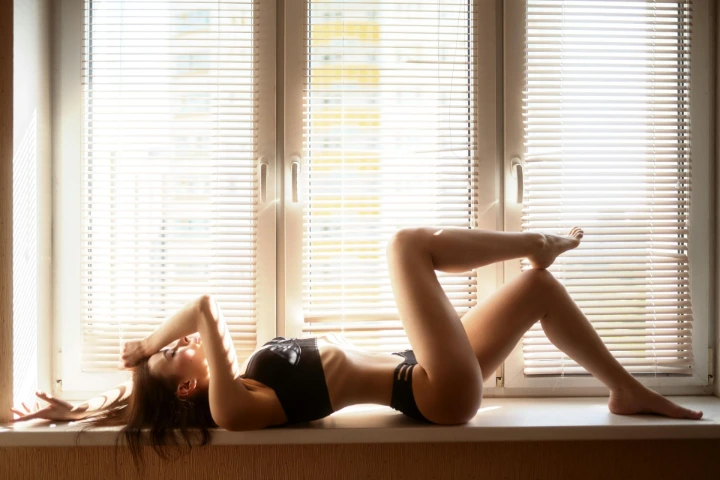
Undergarment advertising photography is not about chasing flawlessness—it is about controlling reality with intent.
Brands that acknowledge skin tone variations, grooming realities, and production challenges before the shoot consistently create stronger campaigns with lower reliance on post-production.
When model selection, makeup planning, lighting, and photographer expertise align from the start, the final visuals feel confident, premium, and believable—without artificial fixes or visual damage.
This level of execution is only possible when innerwear campaigns are treated as specialised advertising productions rather than routine fashion shoots.
Frequently Asked Questions
Q. Do undergarment advertising photoshoots require specialised photographers?
- Yes. Innerwear campaigns demand an advanced understanding of lighting, skin tone management, model comfort, and minimal retouching. Photographers experienced in advertising shoots are better equipped to handle these challenges professionally.
Q. Is skin pigmentation a problem in undergarment photoshoots?
- Skin pigmentation is natural and common. The issue arises when it is not addressed during planning. Proper lighting, makeup preparation, and realistic expectations ensure visually consistent and authentic campaign imagery.
Q. Why should brands avoid excessive retouching or AI skin correction?
- Over-retouching and AI whitening can make visuals appear artificial and reduce consumer trust. Brands benefit more from accurate production planning than from heavy digital correction.