
This case study explores a large-scale outdoor fashion advertising campaign in Jaipur for Utsav Fashion—documenting how high-volume saree catalogue photography evolved into a structured campaign production system with multi-model coordination, heritage locations, and long-term retainer engagement.
Campaign Overview
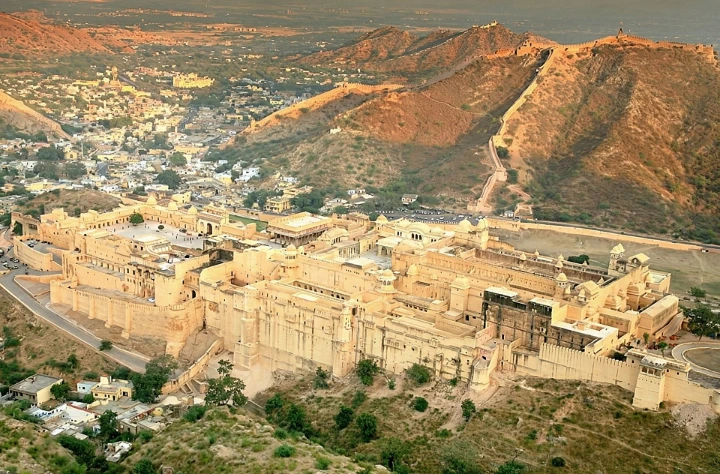
In high-volume fashion retail, photography often begins as catalogue documentation. Over time, however, brands seeking stronger recall and global appeal must transition from routine product shooting to structured campaign-driven visual production.
The Jaipur advertising campaign for Utsav Fashion marked a turning point—shifting the brand from fragmented catalogue output to a systemised, retainer-based campaign production model. This reflects our broader approach to structured advertising campaign photography for commercial brands.
The project combined large-scale saree photography, outdoor heritage locations, multi-model coordination, and high daily output targets—while simultaneously elevating brand aesthetics for website banners and international audiences.
Brand Context
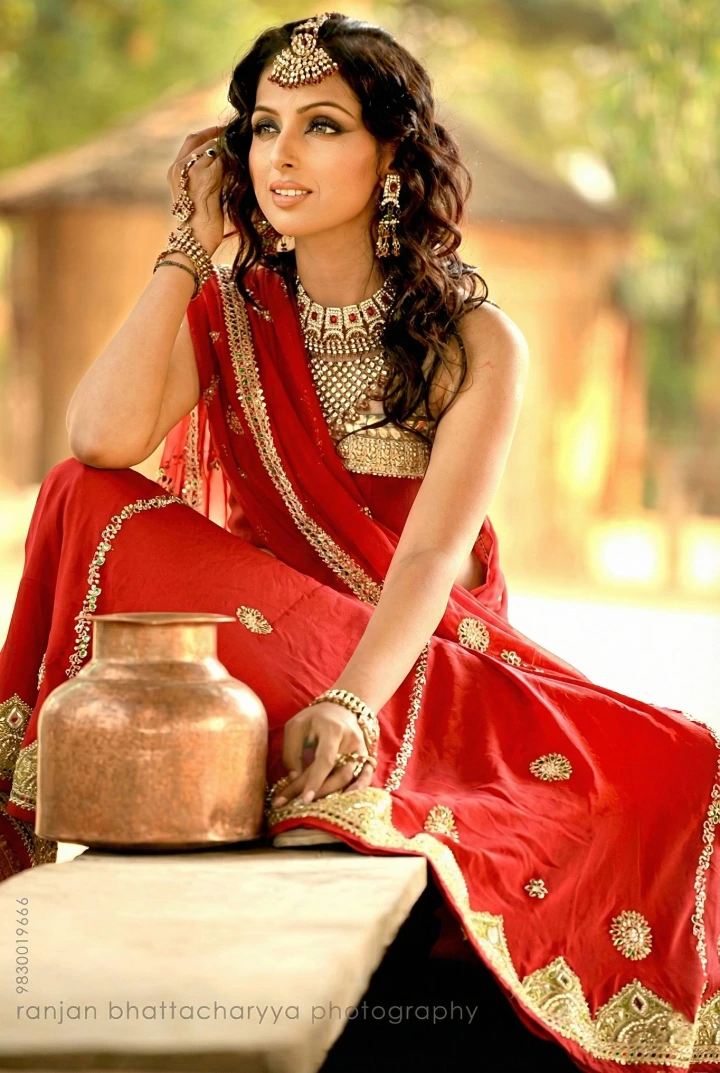
Utsav Fashion is a global ethnic fashion brand catering to customers across international markets. Before the Jaipur campaign, production was largely volume-focused. Regular shoots were conducted, but without a fully structured monthly campaign system or unified visual language.
While the brand had scale, it required:
Consistent campaign identity
Stronger banner-driven storytelling
Structured model continuity
Higher production discipline
The Jaipur assignment became the inflection point for that transformation.
The Jaipur Campaign Brief
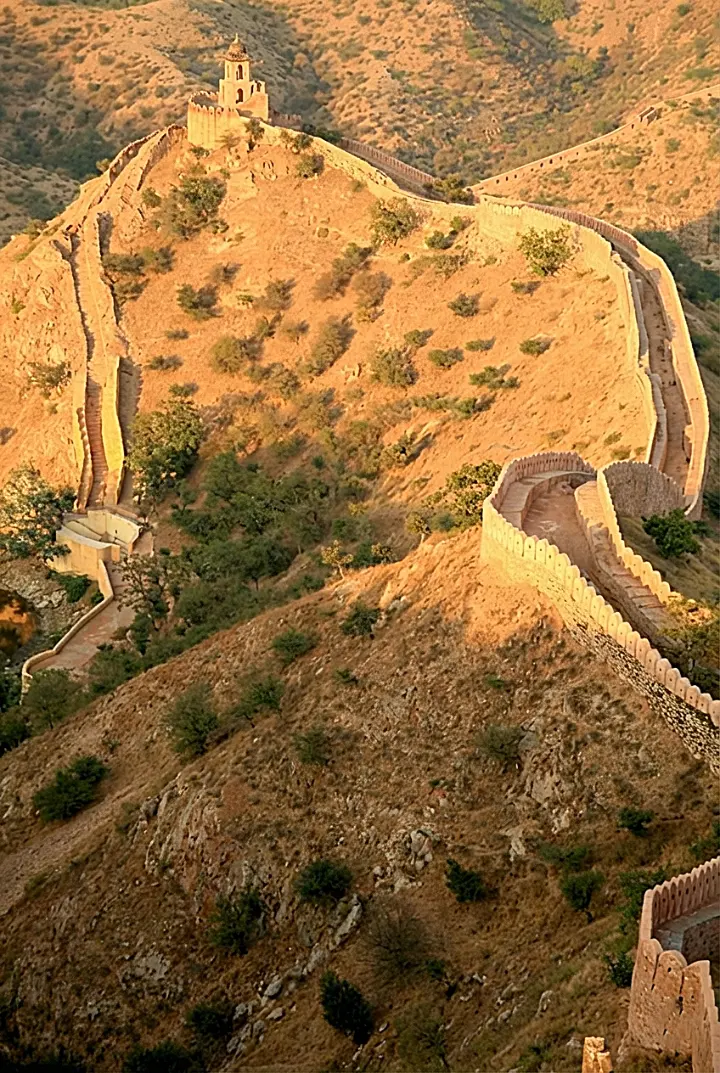
The objective of the Jaipur campaign was twofold:
Execute high-volume saree photography for website and catalogue use.
Elevate the brand’s visual identity through outdoor, heritage-driven fashion campaign imagery.
Production targets were aggressive:
12 consecutive outdoor shoot days
6 active models daily
120–180 saree looks per day
Multi-location scheduling across Jaipur
Over the 12-day schedule, the campaign delivered more than 1,500 structured saree looks across multiple outdoor locations.
This was not a single-location studio shoot. It required constant movement, rapid setup, simultaneous model direction, and strict output tracking.
While a production coordinator monitored daily saree counts, all creative and operational execution—lighting control, model positioning, sequencing, troubleshooting, and frame design—was centrally directed by me.
Production Scale & Operational Execution
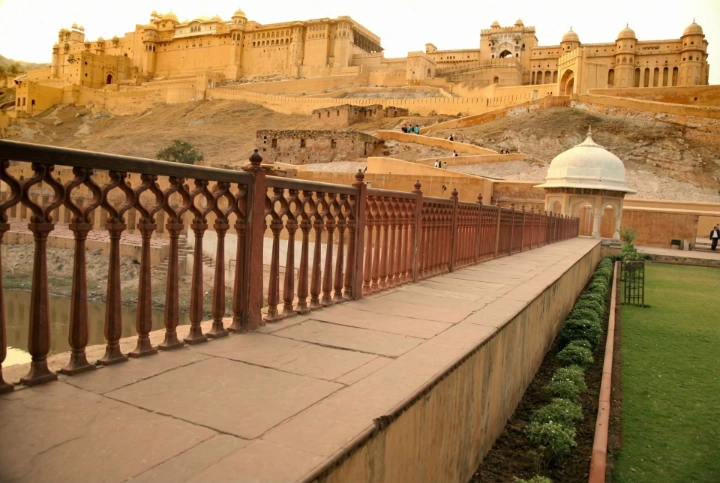
Managing 120+ saree looks per day in an outdoor environment demands structured production thinking.
Each day required:
Parallel model blocking (up to six models active simultaneously)
Frame sequencing for rapid transitions
Lighting consistency under harsh Rajasthan sunlight
Quick location adjustments
Output documentation for website integration
The objective was to balance volume with quality. Catalogue speed alone was not sufficient—the brand also required campaign-grade images suitable for banners and promotional placements.
Despite tight targets, selective creative frames were incorporated daily to ensure the campaign did not become purely mechanical. This operational structure continues to inform our approach to model portfolio development and structured fashion campaign direction.
Operational Challenges
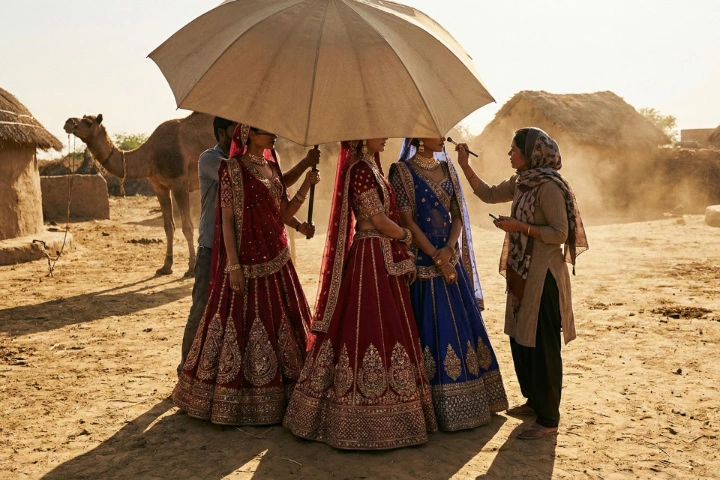
Outdoor production in Jaipur introduced real-time constraints:
1. Harsh Sunlight & Heat Stress
Direct sunlight and extreme temperatures affected lighting stability and team endurance. Two lighting units failed during production due to heat stress.
Immediate on-site repair by the assistant team prevented schedule breakdown and ensured continuity without sacrificing daily targets.
2. Model Fatigue
Prolonged outdoor exposure led to physical fatigue for two models during the schedule. Rotational blocking and restructured sequencing allowed recovery without compromising output.
3. Timeline Pressure
Daily targets ranged between 120 and 180 saree looks. In high-volume fashion production, time loss compounds rapidly.
A structured rhythm was established:
Dedicated pose zones
Pre-blocked saree sequencing
Model parallelisation
Immediate frame review
This ensured sustained throughput without visual inconsistency.
Creative Direction Beyond Catalogue
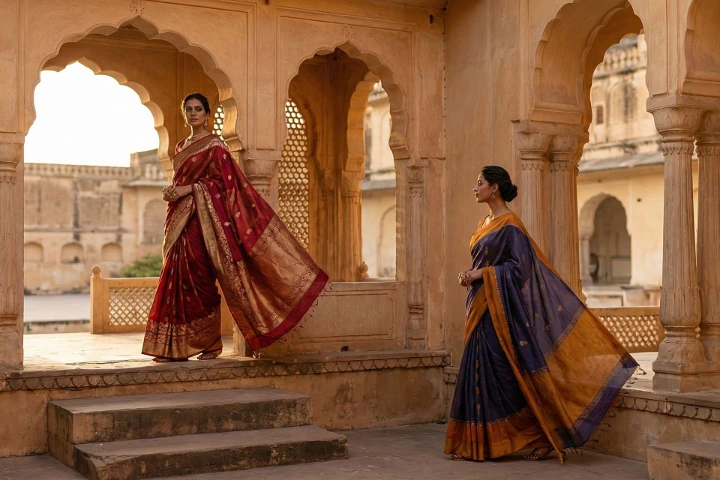
While production scale was critical, creative differentiation remained central.
The Jaipur campaign integrated:
Heritage architecture backdrops
Natural environment compositions
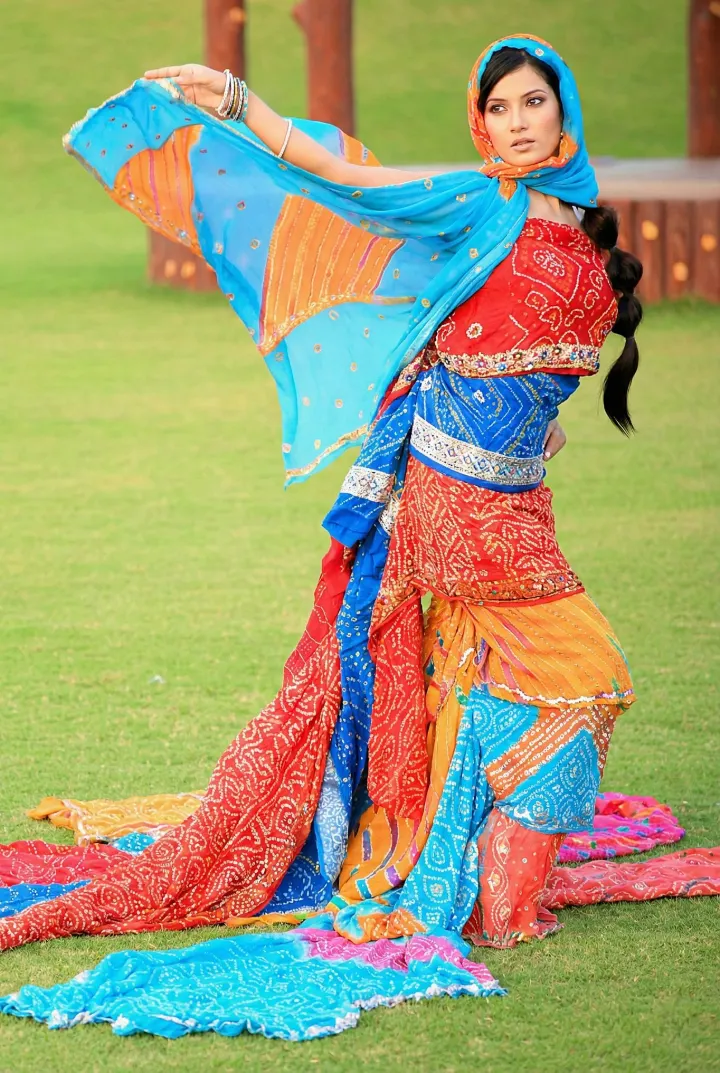
Multi-layer saree styling
Banner-focused hero frames
One distinctive execution involved layered saree compositions designed specifically for campaign-level storytelling rather than catalogue repetition.
The intent was clear.
The shift was deliberate — from product documentation to campaign-level visual narrative.
This balance between throughput and elevated campaign framing became a defining element of the collaboration.
The Structural Shift After Jaipur
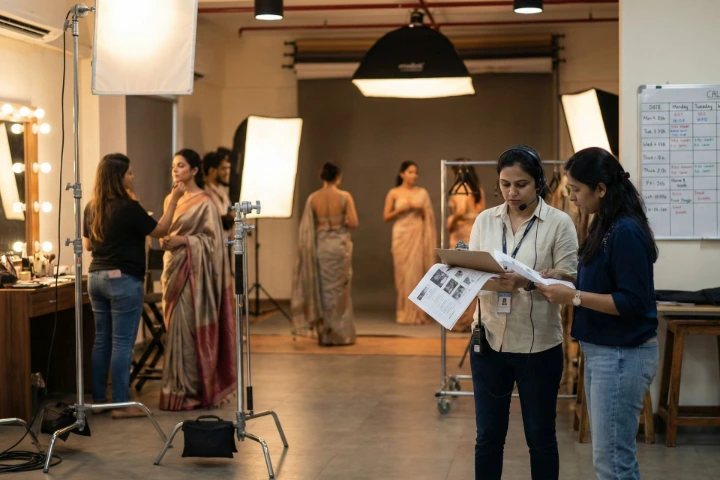
The Jaipur campaign did more than deliver images. It triggered organisational restructuring within the brand’s production system.
Post-campaign changes included:
Establishment of a structured monthly production calendar
One-year contractual engagement of key models
Integration of a dedicated makeup artist, studio head, and floor manager
Expansion into a new office space with in-house studio infrastructure
The production model transitioned from reactive shooting to disciplined campaign architecture.
Within four years, the engagement evolved into a retainer structure, reflecting long-term production trust and creative continuity.
Production Leadership & Accountability
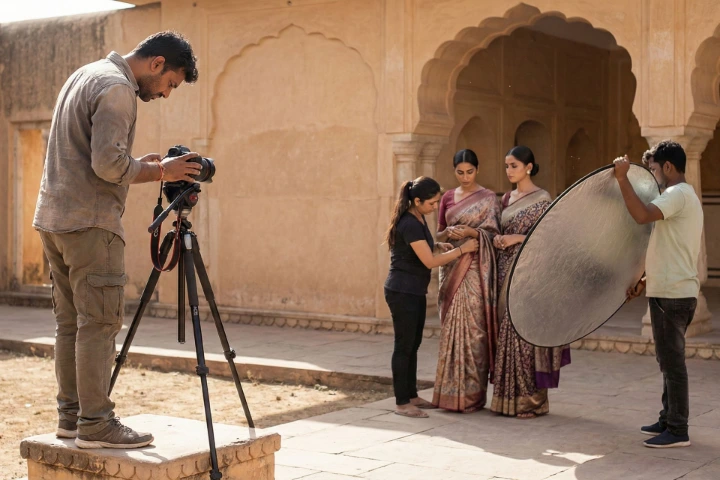
Although output tracking was monitored by coordination staff, creative accountability remained centralised.
High-value banner shoots, premium merchant visuals, and executive-level reviews required direct creative oversight.
The ability to manage:
Multi-model simultaneous direction
Technical lighting under stress
Output scale under time pressure
Campaign framing consistency
positioned the collaboration beyond routine photography execution.
It evolved into production leadership grounded in accountability and execution control. This leadership framework defines our approach to large-scale commercial advertising production.
Results & Long-Term Impact
The measurable outcomes of the Jaipur campaign included:
Transition from freelance engagement to structured contract
Eventual retainer-based association
Strengthened model desirability and brand pull
Increased campaign-driven visual identity
Higher production scale across subsequent seasons
The campaign established operational credibility, production discipline, and sustained visual authority. Such long-term collaboration models form the foundation of our brand-focused advertising work.
It demonstrated that large-scale outdoor fashion campaign photography could be executed with discipline, consistency, and brand clarity.
What Made the Production Sustainable
Large-scale outdoor production is rarely about glamour.
It is about endurance, coordination, and accountability under pressure.
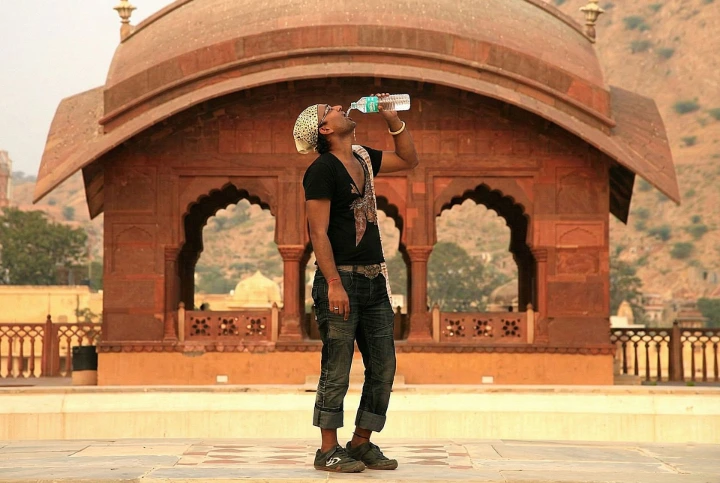
Jaipur’s heat regularly crossed operational comfort levels.
The equipment overheated. Teams rotated. Hydration breaks were structured into the schedule.
Makeup artist Nanda Majumdar — who later became a long-term production collaborator — worked through extreme sunlight conditions while maintaining visual consistency across multiple models per day.
Production leadership was not limited to creative framing.
It extended to:
Managing human fatigue
Protecting equipment continuity
Maintaining morale
Preserving aesthetic discipline despite environmental stress
The Jaipur campaign did not scale because of volume alone.
It scaled because structure, accountability, and team resilience were embedded into the system.
That foundation enabled the shift toward:
Structured monthly calendars
Long-term model contracts
Dedicated in-house production teams
Retainer-based collaboration
The transformation was operational before it was contractual.
This campaign stands as a structured example of scalable outdoor fashion advertising production in India, reflecting a hybrid fashion and advertising photography approach built on production discipline, creative direction, and long-term collaboration.
The Jaipur engagement remains a benchmark in high-volume campaign execution grounded in system, leadership, and accountability.